Whether you keep a clean shave or a full beard, you’ve probably heard advice like “shave more and your beard will grow thicker”. Many of these beliefs are myths. Here’s what science actually says about common shaving myths and beard care.
Quick answer: Shaving does not make hair grow back thicker, darker or faster — cut hair just has a blunt tip that feels coarser. Beard thickness depends mostly on genetics and age, not just testosterone. Beard oils condition the hair and skin but don’t increase growth. For a comfortable shave, use a sharp blade, a lubricating cream or gel, shave in the direction of growth and moisturise afterwards.
10 Shaving and Beard Myths
Myth 1: Water alone is enough for a good shave
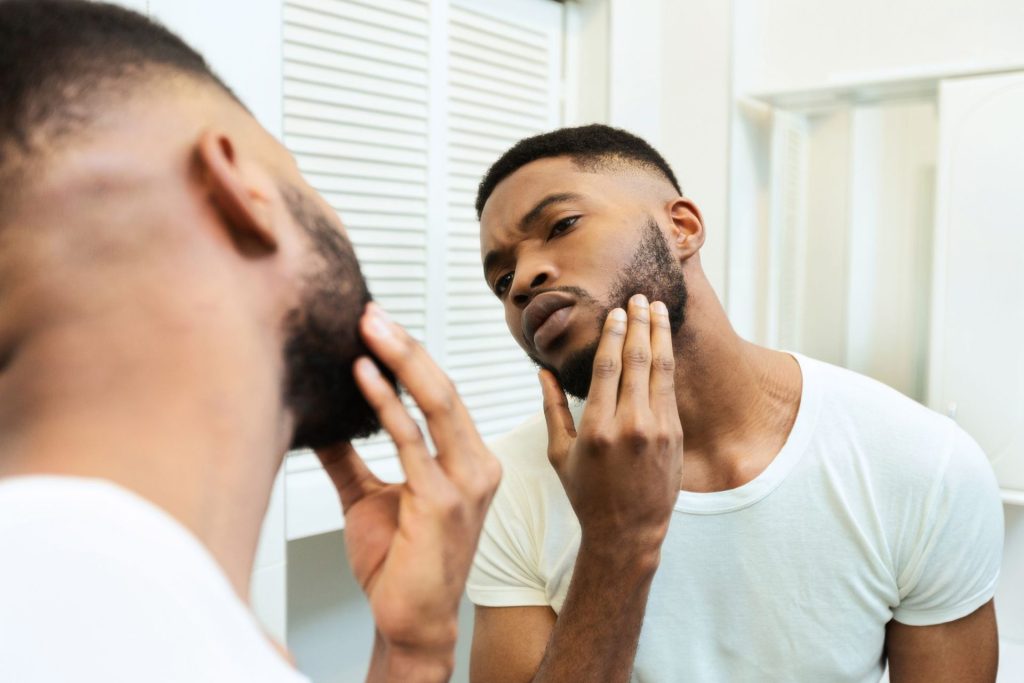
Fact: Water softens hair, but a shaving cream, gel or soap adds lubrication so the blade glides without dragging, reducing nicks and razor burn.
Myth 2: Shaving makes hair grow back faster

Fact: Shaving cuts hair at the surface and doesn’t affect the follicle, so growth rate stays the same.
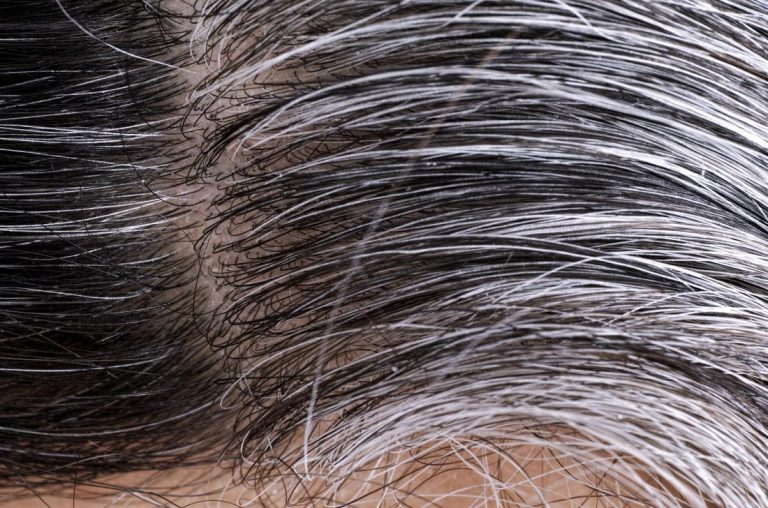
Myth 3: Shaving makes hair thicker or darker
Fact: Regrowing hair has a blunt tip, so it can feel coarser and look darker against the skin for a while — but the hair itself isn’t thicker.
Myth 4: Testosterone level is the only factor in beard thickness

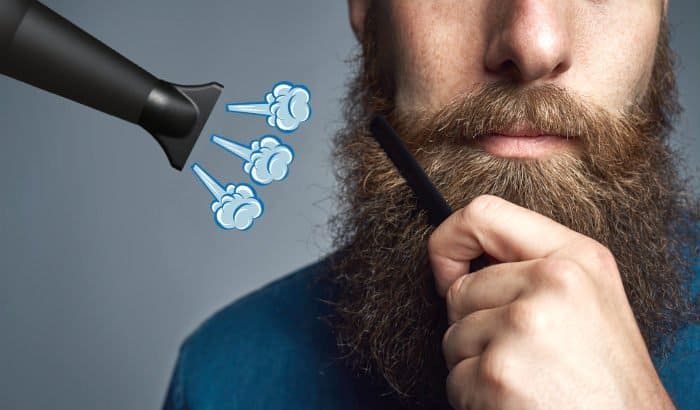
Credit Image: Tamboly/Getty Images
Fact: Genetics, age and how sensitive your follicles are to hormones (such as DHT) matter more than the testosterone level alone. Many men with normal hormones have patchy beards.
Myth 5: Beard oils make beards grow
Fact: Beard oils soften hair and moisturise the skin underneath, reducing itch and flakes, but they don’t stimulate growth.
Myth 6: Beard oil always causes pimples
Fact: Heavy oils can clog pores in acne-prone skin, but light, non-comedogenic oils (such as jojoba or argan) usually don’t. Use a few drops and wash your beard regularly.
Myth 7: “Beard growth supplements” give a thick beard

Fact: Biotin and other supplements only help if you’re actually deficient. Most men aren’t. A balanced diet with enough protein, iron, zinc and B vitamins supports healthy hair.
Myth 8: You have to shave off your beard to get rid of “beardruff”
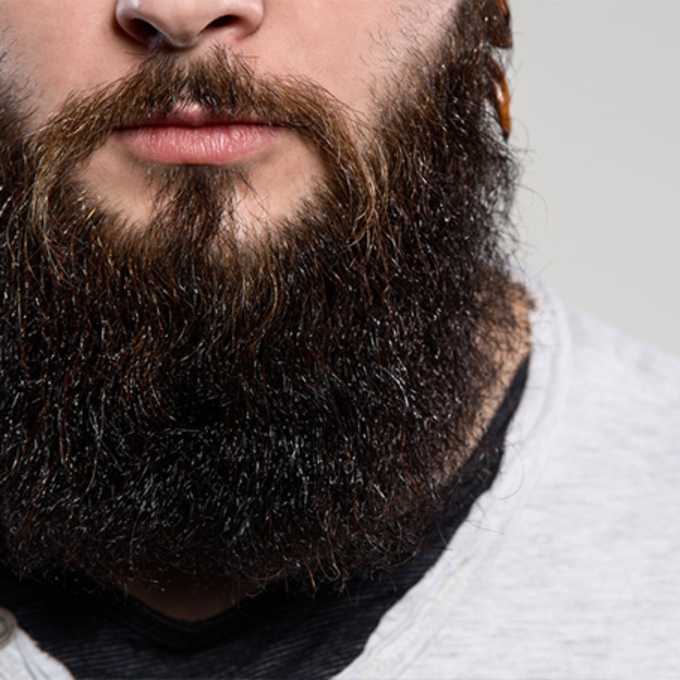
Fact: Beard dandruff can usually be controlled by washing with a gentle or anti-dandruff shampoo, conditioning and using a light oil.
Myth 9: New blades cause more cuts
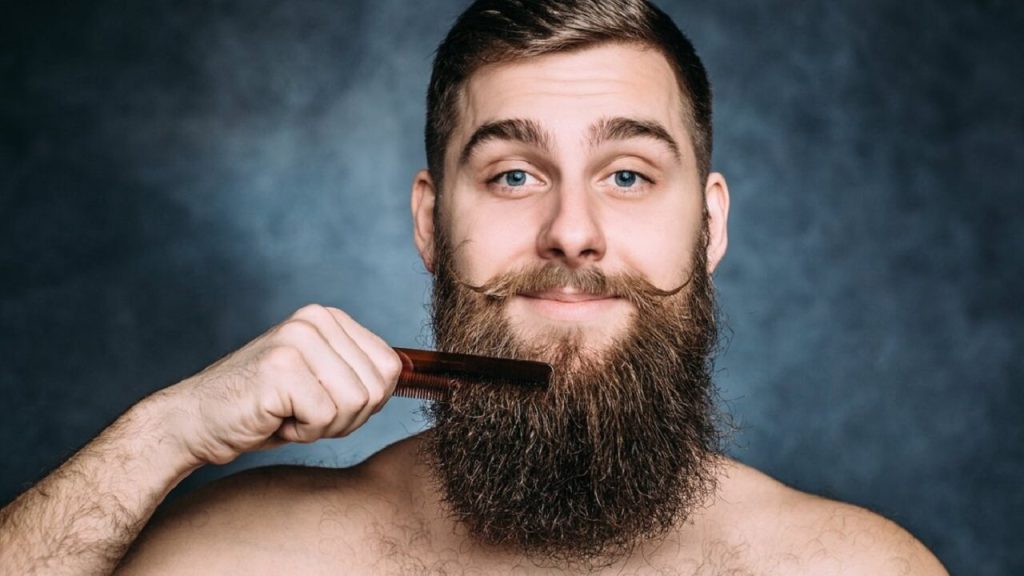
Fact: Dull blades cause more cuts and irritation because you have to press harder and go over the same area repeatedly. Replace blades every 5–7 shaves.
Myth 10: Shaving always harms your skin

Fact: Shaving gently exfoliates the skin. Problems like razor bumps come from poor technique, dull blades or very curly hair growing back into the skin.
Tips for a Smooth, Irritation-Free Shave
- Wash your face with warm water first, or shave after a shower.
- Use a lubricating shaving cream or gel.
- Use a sharp, clean blade.
- Shave in the direction of hair growth, with light pressure.
- Rinse with cool water and apply a fragrance-free moisturiser or aloe vera gel.
- If you get frequent razor bumps, try a trimmer that leaves a little stubble.
FAQs
How can I grow a thicker beard naturally?
Give it time (beards often fill in through the late 20s), eat a balanced diet, sleep well, manage stress and avoid smoking.
Why do I get razor bumps?
Usually from shaving too close or against the grain, especially with curly hair. Shave with the grain or use a trimmer.
Is it better to shave before or after a shower?
After, or with warm water first — softened hair is easier to cut cleanly.
Also read: B Vitamins for Hair, Coconut Oil and Aloe Vera for Hair
Sources and Further Reading
Disclaimer: This article is for general information only and is not a substitute for medical advice. Consult a doctor or qualified Ayurvedic practitioner (BAMS) before taking any Ayurvedic medicine.