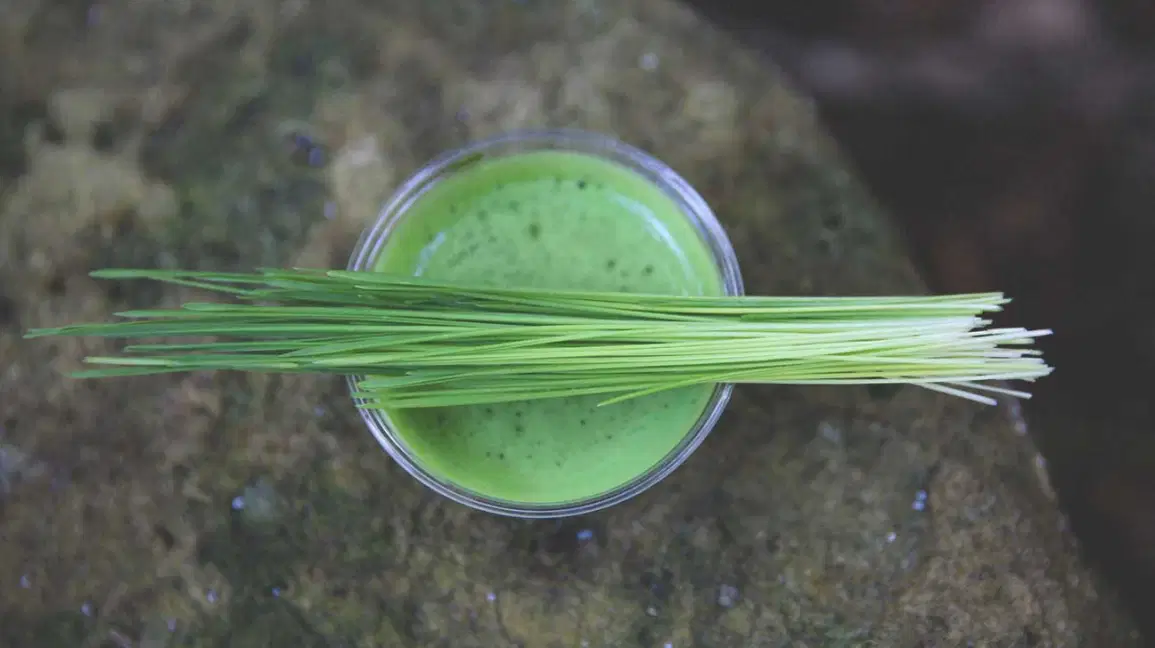
Wheatgrass — the young leaves of the wheat plant — is sold as juice, powder and tablets and is often called a “superfood”. But do the claims stand up?
This guide gives an honest look at wheatgrass benefits, the research behind them, how to take it, and side effects to watch for.
Quick answer: Wheatgrass provides chlorophyll, antioxidants, vitamins A, C and E, iron and some fibre. Small studies suggest possible benefits for cholesterol, blood sugar and inflammation, and one study suggested it may help some patients during chemotherapy — but evidence is limited and it is not a cure for any disease. A shot of 30–60 ml juice or 1 teaspoon of powder a day is a common amount. It may cause nausea or headaches in some people.
What Is Wheatgrass?
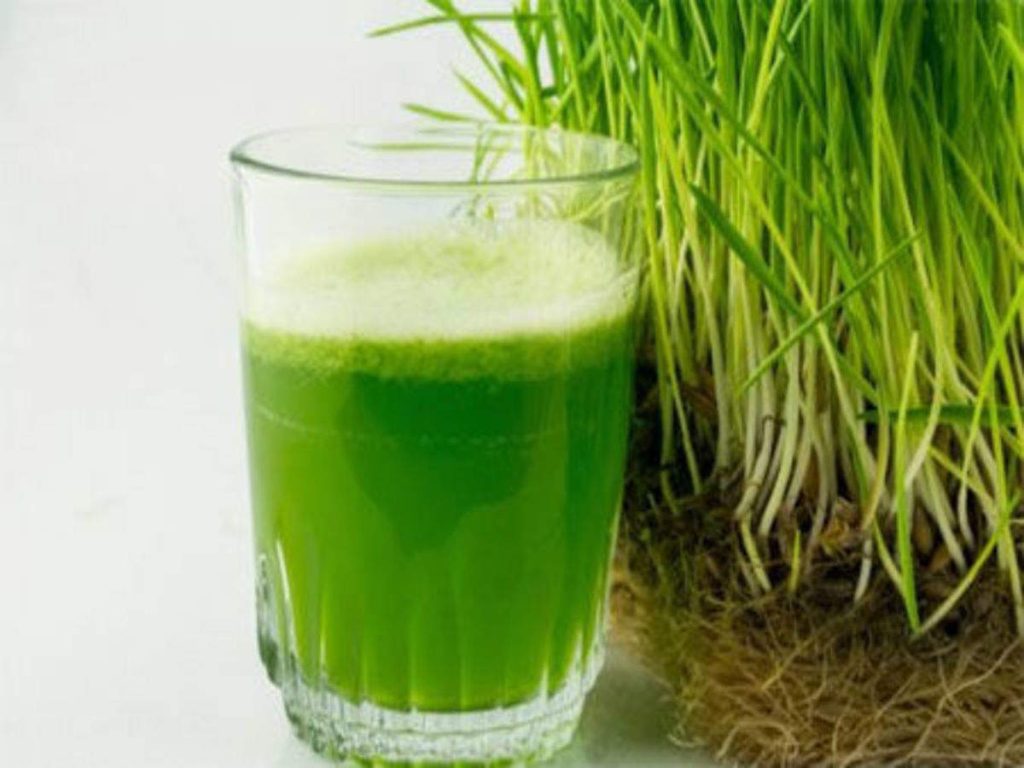
Wheatgrass is harvested 7–10 days after wheat sprouts, before grains form. Although it comes from wheat, the young leaves are usually gluten-free — but cross-contamination is possible.
Wheatgrass Nutrition
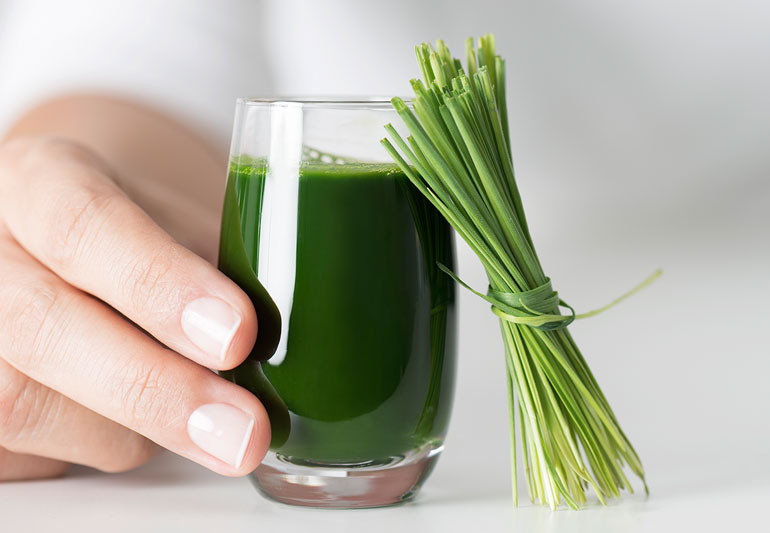
Wheatgrass contains chlorophyll, vitamins A, C, E and K, iron, magnesium, calcium and amino acids. A typical serving is small, so it supplements — rather than replaces — vegetables in your diet.
Possible Wheatgrass Benefits
1. Rich in Antioxidants
Wheatgrass contains antioxidants like flavonoids and vitamins C and E, which help protect cells from oxidative damage.
2. May Help Lower Cholesterol
Animal studies and a few small human studies suggest wheatgrass may lower cholesterol. More research is needed. See our list of fruits to lower cholesterol for proven dietary steps.
3. May Support Blood Sugar Control

Some animal studies suggest wheatgrass may help regulate blood sugar, but human evidence is limited. People with diabetes should monitor levels and not replace medicines.
4. May Reduce Inflammation
A small study in people with ulcerative colitis found wheatgrass juice reduced symptoms. Larger studies are needed.
5. Possible Support During Chemotherapy
One small study suggested wheatgrass juice may reduce some blood-related side effects of chemotherapy in breast cancer patients. Wheatgrass does not treat or prevent cancer. Cancer patients should only use it with their oncologist’s approval.
6. Easy Way to Add Greens
For people who eat few vegetables, wheatgrass is a convenient way to add some nutrients — but whole vegetables are still better because of their fibre.
How to Take Wheatgrass
| Form | Common amount | Tip |
|---|---|---|
| Fresh juice | 30–60 ml a day | Drink fresh on an empty stomach |
| Powder | 1 teaspoon (3–5 g) a day | Mix in water or smoothies |
| Tablets | As per label | Choose tested brands |
Start with a small amount and increase slowly. You can grow wheatgrass at home in trays and cut it when it is about 6–7 inches tall.
Side Effects and Precautions
- Nausea, headache, constipation or loss of appetite, especially when starting
- Possible contamination with mould or bacteria in home-grown or poorly stored wheatgrass
- People with wheat allergy or coeliac disease should be cautious and choose certified gluten-free products
- Pregnant and breastfeeding women should avoid it due to lack of safety data
- It contains vitamin K, which can interact with blood thinners like warfarin
FAQs
Is wheatgrass a superfood?
It is nutritious, but no single food is a “super” cure. Its benefits are modest and research is limited.
Can wheatgrass help weight loss?
It is low in calories, but there’s no good evidence it causes weight loss on its own.
When is the best time to drink wheatgrass juice?
Many people prefer it in the morning on an empty stomach, but any time is fine if it suits you.
Also read: Chia Seeds Benefits
Sources and Further Reading
Disclaimer: This article is for general information only and is not a substitute for medical advice.