Morsa Images/Getty Images
Constipation — hard stools, straining, or going less than three times a week — is one of the most common digestive complaints. Very often, the cause is sitting right on our plate. Eating too little fibre, too much refined and fried food, and not drinking enough water can all slow the gut down.
This guide lists the foods to avoid in constipation, explains why they cause trouble, and gives you easy, high-fibre swaps and Ayurvedic tips to get things moving again.
Quick answer: The main foods to avoid in constipation are maida (white flour) products, biscuits and bakery items, fried and fast food, chips and packaged snacks, too much cheese and full-fat dairy, large amounts of red meat, frozen and processed meals, unripe (green) bananas, too much tea, coffee or alcohol, and very low-fibre diets. Replace them with whole grains, dals, vegetables, fruits, seeds, ghee in moderation and plenty of water.
Why Does Food Cause Constipation?
Fibre adds bulk and holds water in your stool, making it soft and easy to pass. Most adults need about 25–30 grams of fibre a day, but many of us eat far less. Foods that are low in fibre and high in fat, sugar or salt slow digestion and leave stools hard and dry.
In Ayurveda, constipation is linked to aggravated Vata — the dry, cold, light quality — which is made worse by dry, cold, stale and processed foods.
10 Foods to Avoid in Constipation
1. Maida and White Bread
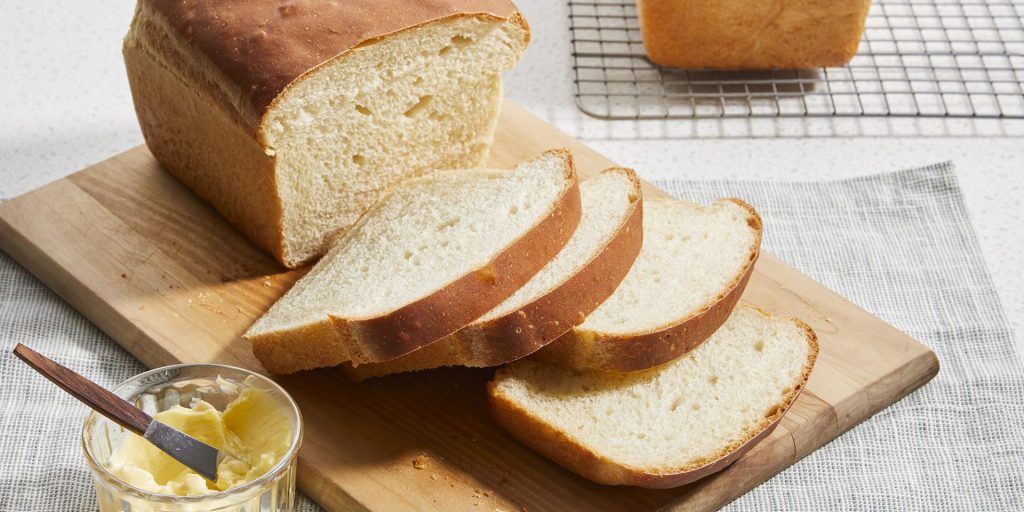
White bread, pav, naan, pizza bases and other maida products have had most of their fibre removed. Eaten often, they lead to hard, dry stools.
Swap: whole wheat roti, multigrain or jowar/bajra roti, brown rice, oats.
2. Biscuits, Cakes and Bakery Items
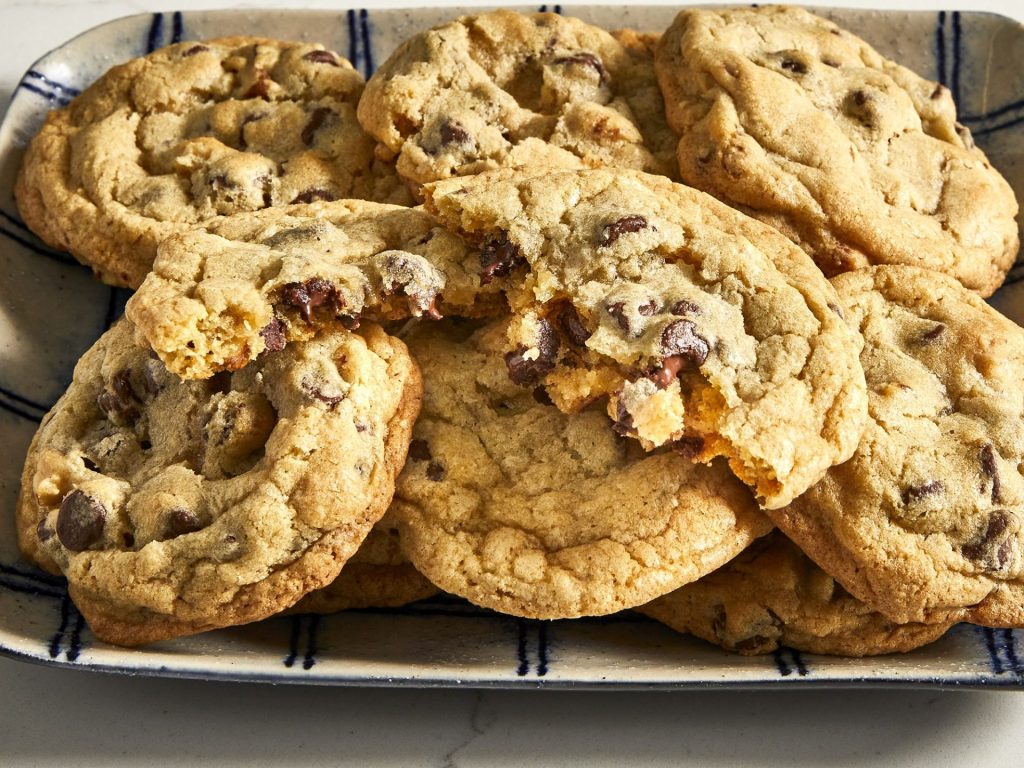
Cookies, cakes, pastries and rusks are low in fibre and water and high in fat and sugar — a perfect recipe for constipation.
Swap: fresh fruit, roasted chana, a handful of nuts or a few soaked raisins or figs.
3. Fried Foods
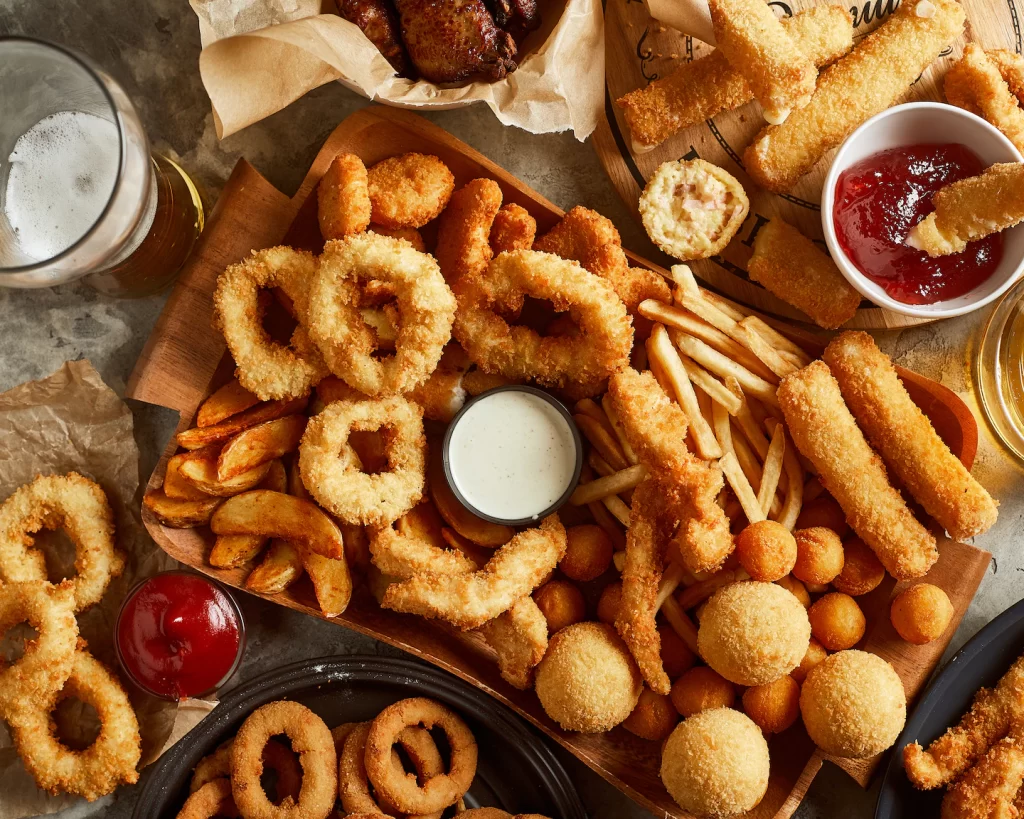
Samosas, pakoras, puris, french fries and other deep-fried foods are heavy and slow to digest, which can cause bloating and constipation.
Swap: steamed, grilled, roasted or lightly sautéed foods.
4. Chips and Packaged Snacks
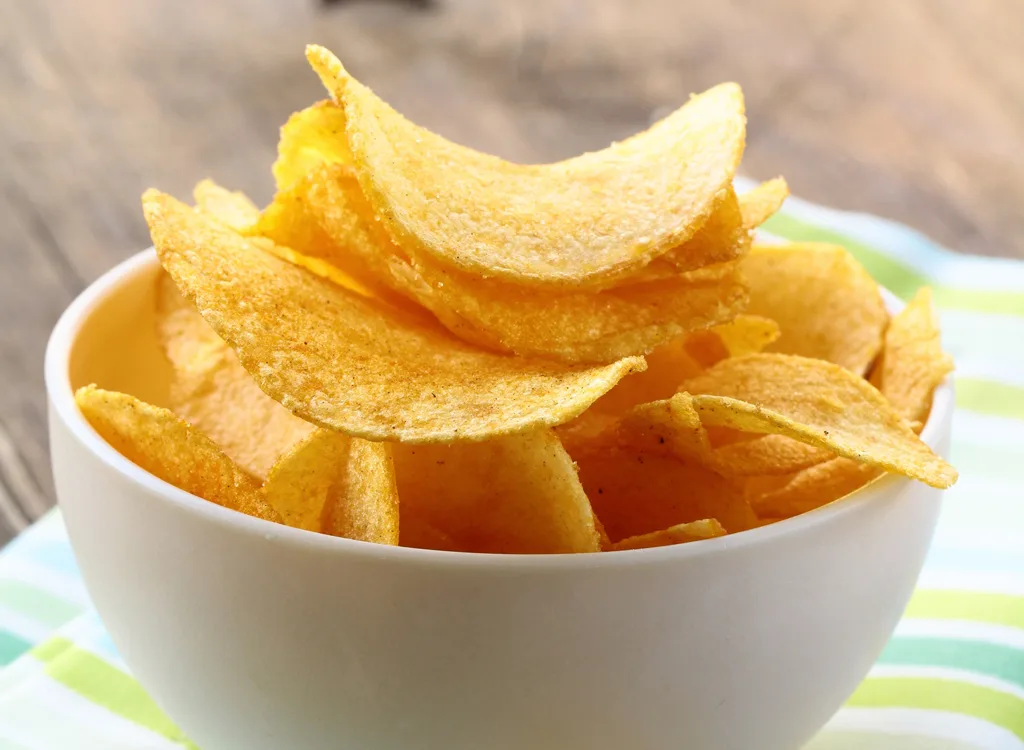
Chips and namkeen usually replace higher-fibre snacks, and their high salt and fat content can make things worse.
Swap: roasted makhana, sprouts chaat, cucumber or carrot sticks.
5. Cheese and Too Much Full-Fat Dairy
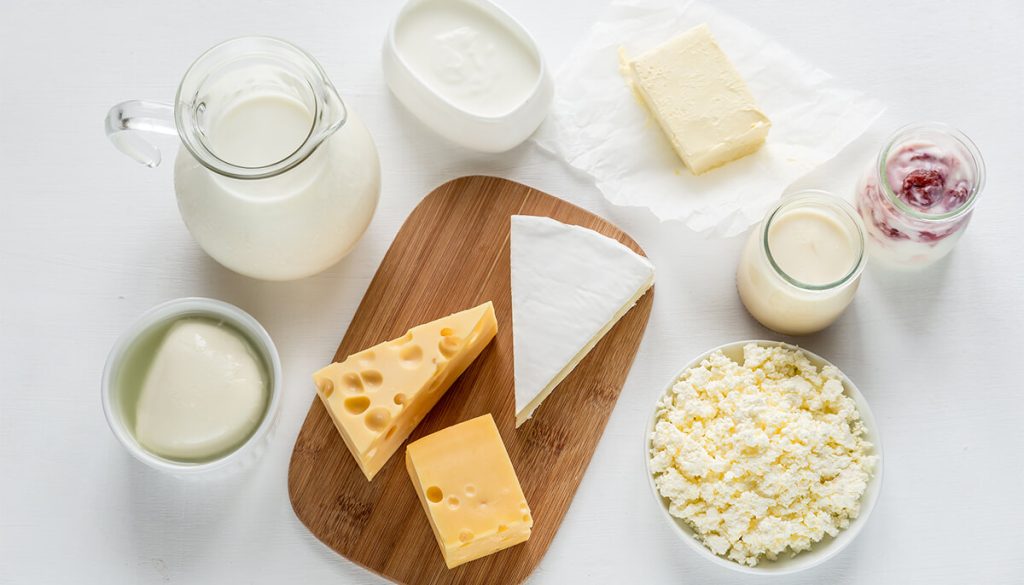
Cheese, paneer and ice cream contain no fibre and are high in fat. Some people, especially children, become constipated when they eat a lot of dairy.
Swap: thin buttermilk with roasted cumin, or warm milk with a teaspoon of ghee at night, which Ayurveda traditionally suggests for dry, Vata-type constipation.
6. Red and Processed Meat
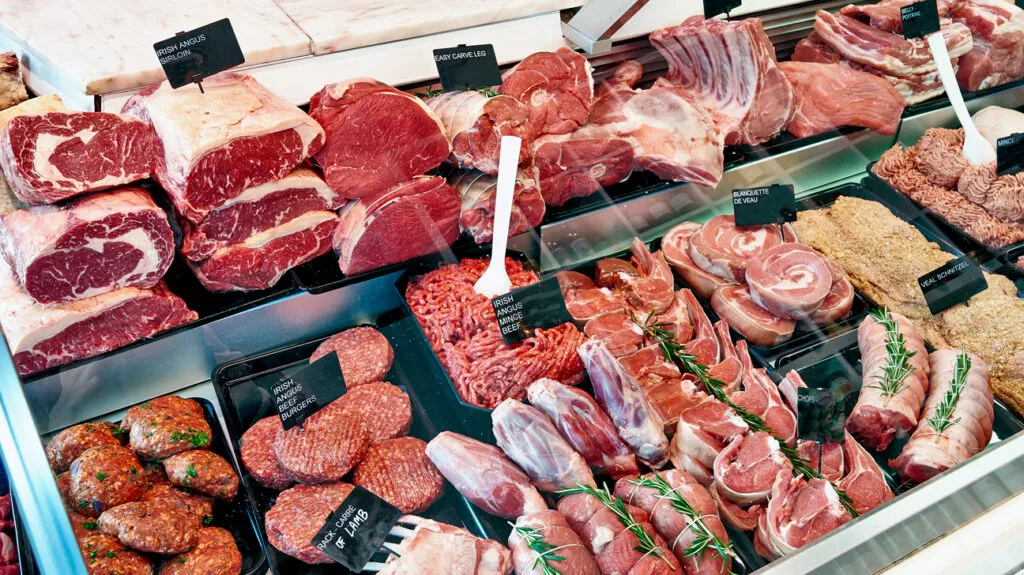
Meat has no fibre, and large portions often push vegetables and grains off the plate. Processed meats are also high in fat and salt.
Swap: include dals, beans and plenty of vegetables with every meal; keep meat portions small.
7. Frozen and Ready-to-Eat Meals
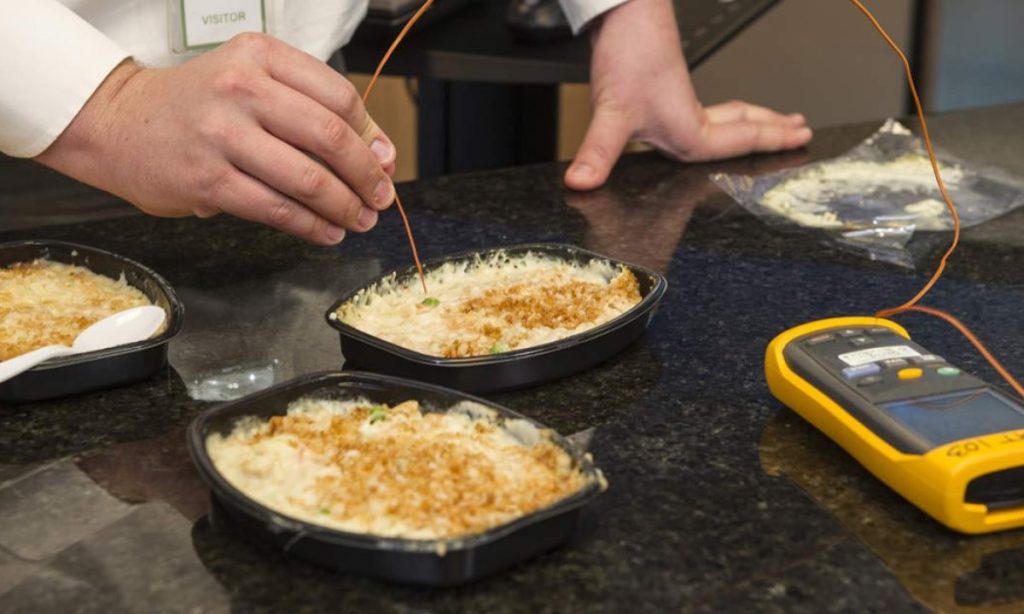
Frozen meals and instant noodles are generally low in fibre and high in salt and fat.
Swap: simple home-cooked meals such as dal, sabzi and roti, or vegetable khichdi.
8. Unripe (Green) Bananas
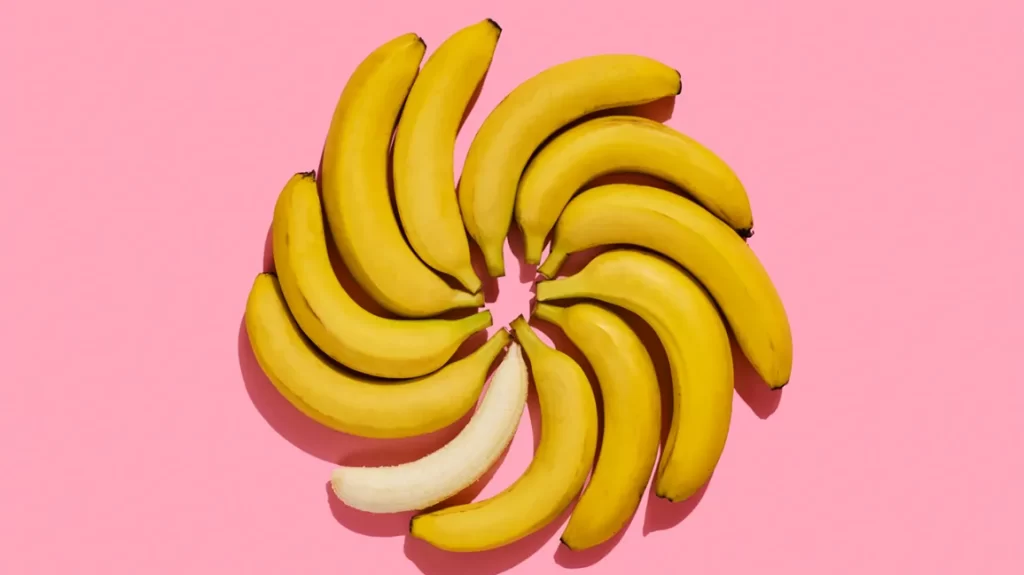
Unripe bananas contain resistant starch that can be binding for some people. Ripe bananas, on the other hand, are usually helpful.
Swap: fully ripe bananas, papaya, guava or pears.
9. Too Much Tea, Coffee and Alcohol

A morning cup of coffee can help some people, but too much tea, coffee or alcohol can dehydrate you and make stools harder.
Swap: warm water first thing in the morning, herbal teas and plenty of plain water.
10. Eggs Without Fibre on the Side
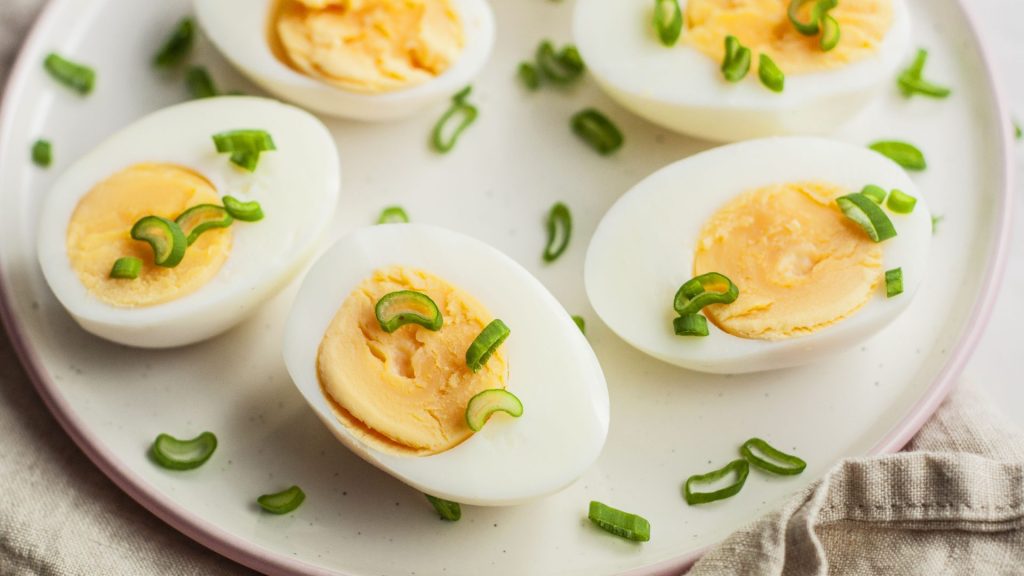
Eggs aren’t a cause of constipation, but they contain no fibre. A breakfast of only eggs and white bread can leave you backed up.
Swap: make a vegetable omelette and pair it with whole grain toast or fruit.
Best Foods to Eat for Constipation
| Food group | Good choices |
|---|---|
| Fruits | Papaya, guava, ripe banana, pear, apple with skin, figs (anjeer), prunes, soaked raisins |
| Vegetables | Leafy greens, lauki, pumpkin, carrots, beans, beetroot |
| Whole grains | Whole wheat, oats, jowar, bajra, ragi, brown rice |
| Pulses | Moong, masoor, rajma, chana |
| Seeds | Flaxseed, chia seeds, isabgol (psyllium husk) |
| Fluids | Warm water, buttermilk, soups |
Increase fibre slowly over a week or two and drink more water as you do, otherwise you may feel bloated.
Ayurvedic Tips for Constipation
- Drink a glass of warm water first thing in the morning.
- Add a teaspoon of ghee to your dal or rice to lubricate the gut.
- Soak 5–6 raisins or 2 figs overnight and eat them in the morning.
- Take Triphala or isabgol at bedtime only if it suits you; ask your doctor if you take other medicines.
- Eat at regular times and don’t ignore the urge to go.
- Walk for 15–30 minutes daily; try yoga poses like Pawanmuktasana and Malasana.
- Avoid wrong food combinations that slow digestion.
When to See a Doctor
See a doctor if constipation lasts more than 2–3 weeks despite changes, or if you have blood in your stool, severe abdominal pain, unexplained weight loss, vomiting, or a sudden change in bowel habits after age 50.
FAQs
Which fruit should be avoided in constipation?
Unripe (green) bananas are the main fruit that can worsen constipation for some people. Most other whole fruits help.
Is curd good or bad for constipation?
Curd contains probiotics that may help some people, but Ayurveda says thick curd can be heavy. Thin buttermilk is often the better choice.
Does milk cause constipation?
Large amounts of milk and cheese can constipate some people, especially children. Warm milk with ghee at night, however, is a traditional Ayurvedic remedy for dry constipation.
What should I eat at night for constipation?
A light dinner with vegetables and dal, followed by soaked raisins or a teaspoon of isabgol in warm water if needed.
Conclusion
Cutting back on the foods to avoid in constipation — maida, fried and packaged snacks, too much cheese and meat, and unripe bananas — and adding fibre, water and movement can make a big difference within days. Make one or two swaps at a time and let your gut adjust.
Also read: Ayurvedic Treatment for IBS
Sources and Further Reading
Disclaimer: This article is for general information only and is not a substitute for medical advice.