
Water makes up more than half of your body weight and is needed for almost everything your body does — from controlling temperature to digestion and brain function. When you lose more fluid than you take in, you become dehydrated. In India’s hot climate, during illness or after exercise, this can happen faster than you think.
This guide explains the most common signs of dehydration, who is most at risk, how to rehydrate at home and when you need urgent help.
Quick answer: The most common signs of dehydration are thirst, dark yellow urine or passing urine less often, dry mouth and lips, headache, tiredness, dizziness, muscle cramps, dry skin, constipation and bad breath. Mild dehydration can be treated by drinking water, ORS, coconut water or buttermilk. Confusion, fainting, a very fast heartbeat, no urine for 8 hours or sunken eyes in a child need urgent medical care.
What Causes Dehydration?
- Not drinking enough water, especially in hot weather
- Heavy sweating during exercise, outdoor work or fever
- Diarrhoea and vomiting
- Uncontrolled diabetes (frequent urination)
- Too much alcohol
- Some medicines, such as diuretics (water pills)
Babies, young children, older adults, pregnant women and people with chronic illnesses are at the highest risk.
10 Signs of Dehydration
1. Dark Yellow Urine or Less Urine

Your urine colour is the simplest hydration check. Pale straw-yellow means you are well hydrated; dark yellow or amber means you need more fluids. Going to the toilet much less often is another warning sign. (Some vitamins can turn urine bright yellow.)
2. Dry Mouth and Lips

A sticky, dry mouth and cracked lips are among the earliest signs. Your body reduces saliva when it is short of water.
3. Headache

Even mild dehydration can trigger headaches in some people, and it is a common trigger for migraines.
4. Tiredness and Low Energy

Losing fluid reduces blood volume, so your heart works harder to deliver oxygen. This can leave you feeling tired, sleepy or unable to concentrate.
5. Dizziness or Light-headedness

Feeling dizzy when you stand up quickly can happen when low fluid levels make your blood pressure drop.
6. Muscle Cramps
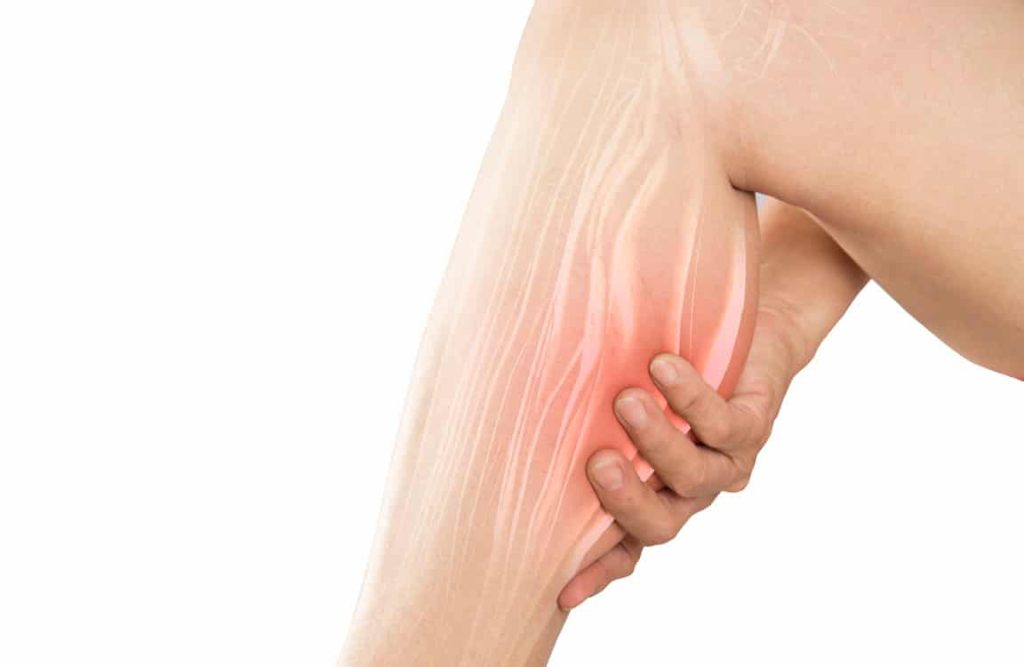
Heavy sweating causes you to lose both water and salts (electrolytes) like sodium and potassium, which can lead to cramps, especially in the legs.
7. Dry Skin

Skin may feel dry and less elastic. If you pinch the skin on the back of your hand and it stays “tented” for a moment, you may be dehydrated.
8. Bad Breath

Less saliva means more bacteria growth in the mouth, which can cause bad breath.
9. Cravings and Hunger

People sometimes confuse thirst with hunger. If you get sudden cravings, try a glass of water first.
10. Constipation
Your gut absorbs water from stools when you are low on fluids, making them hard and difficult to pass. Read more about foods to avoid in constipation.
Signs of Dehydration in Children
- No wet nappy for 3 hours or more
- No tears when crying
- Dry mouth and tongue
- Sunken eyes, or a sunken soft spot on a baby’s head
- Unusual sleepiness or irritability
Children can become dehydrated quickly with diarrhoea or vomiting. Start ORS early and see a doctor promptly.
Mild vs Severe Dehydration
| Mild to moderate | Severe – get medical help |
|---|---|
| Thirst, dry mouth | Extreme thirst or unable to drink |
| Dark yellow urine | No urine for 8 hours or more |
| Headache, tiredness | Confusion, drowsiness, fainting |
| Mild dizziness | Very fast heartbeat or breathing |
| Muscle cramps | Sunken eyes, cold hands and feet |
How to Rehydrate at Home
- Drink water in small, frequent sips rather than a lot at once.
- ORS (Oral Rehydration Solution): the best choice for diarrhoea, vomiting or heavy sweating. Use WHO-ORS packets from a chemist and mix exactly as directed.
- Coconut water, buttermilk, nimbu pani with a pinch of salt, and thin dal water also help replace fluids and salts.
- Water-rich foods like watermelon, cucumber, oranges and curd rice.
- Avoid alcohol and too much tea, coffee or sugary soft drinks while rehydrating.
How Much Water Do You Need?
There is no single number for everyone. Most adults need about 2–3 litres of total fluid a day, more in hot weather, during exercise, while breastfeeding or when ill. A good rule: drink enough that you rarely feel thirsty and your urine stays pale yellow. People with heart or kidney disease should follow their doctor’s fluid advice.
Ayurvedic Tips to Stay Hydrated
- Sip room-temperature or warm water through the day instead of large amounts of ice-cold water.
- In summer, drink coriander or fennel water, buttermilk and coconut water to cool Pitta.
- Eat seasonal, water-rich fruits and vegetables — see our seasonal Ayurvedic diet guide.
FAQs
What are the first signs of dehydration?
Thirst, a dry mouth and darker yellow urine are usually the first signs.
How quickly can you rehydrate?
Mild dehydration often improves within a few hours of drinking fluids. With diarrhoea or vomiting, ORS works best and may be needed for a day or more.
Is coconut water better than ORS?
Coconut water is a good everyday drink, but ORS has the right balance of salts and sugar for diarrhoea and vomiting and is the better choice in those cases.
Can dehydration cause fever?
Severe dehydration and heat exhaustion can raise body temperature. A high fever, confusion or fainting in the heat needs urgent care.
Conclusion
Learning the signs of dehydration — dark urine, dry mouth, headache, tiredness, dizziness and cramps — helps you act early. Keep a water bottle handy, use ORS when you are losing fluids, and get medical help quickly for severe symptoms, especially in children and older adults.
Sources and Further Reading
Disclaimer: This article is for general information only and is not a substitute for medical advice.



1 thought on “10 Symptoms and Signs of Dehydration You Shouldn’t Ignore”