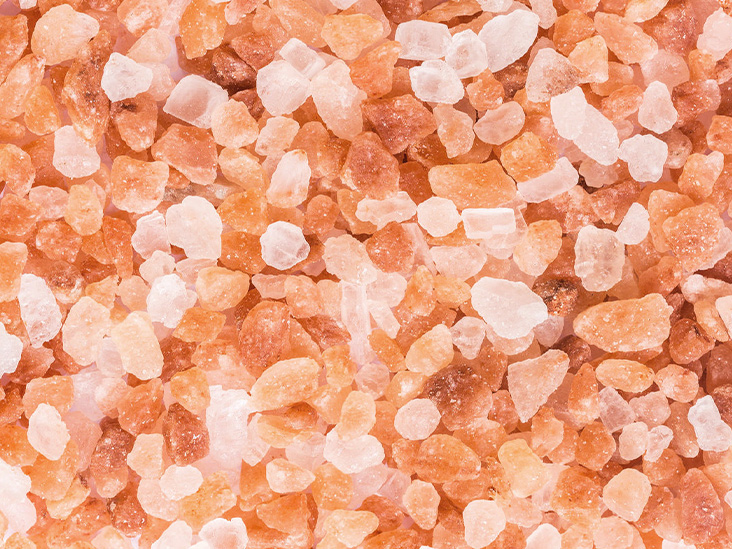
Sendha namak, or rock salt, is the pink-white salt used during Navratri fasts and in many Ayurvedic remedies. It is often promoted as a “healthier” salt. But how different is it from regular table salt?
This guide explains sendha namak benefits, what Ayurveda says, how it compares with iodised salt, and how much salt is safe.
Quick answer: Sendha namak is a less-processed salt that contains small amounts of minerals like potassium, calcium and magnesium. Ayurveda considers it the best salt for digestion and the least likely to aggravate Pitta. However, it is still about 95–98% sodium chloride, usually has no added iodine, and should be used in the same limited amounts as normal salt — under 5 g a day in total.
What Is Sendha Namak?
Sendha namak is mined from salt deposits, mainly in the Himalayan region, and is less refined than common table salt. Its colour comes from trace minerals.
Sendha Namak in Ayurveda
Ayurvedic texts describe saindhava lavana as the best of all salts. It is considered light, slightly cooling, good for digestion and suitable for daily use in small amounts. It is an ingredient in many digestive powders such as Hingvastak churna.
Sendha Namak Benefits
1. Supports Digestion

A pinch of rock salt with ginger before meals, or in buttermilk and jaljeera, is a traditional way to stimulate appetite and digestion.
2. Soothes a Sore Throat

Gargling with warm water and half a teaspoon of salt — sendha or regular — can ease a sore throat.
3. Contains Trace Minerals
Rock salt contains tiny amounts of potassium, calcium, magnesium and iron. The amounts are too small to make a real difference to your nutrition, but it is less processed than table salt.
4. Helps Replace Electrolytes
A pinch of rock salt in nimbu pani or buttermilk helps replace sodium lost through sweating in hot weather.
5. Used in Fasting
Sendha namak is considered pure (satvik) and is the only salt allowed in many religious fasts.
6. Skin Care and Baths

Rock salt is sometimes used in bath water or gentle scrubs. Avoid salt scrubs on broken or very sensitive skin.
Sendha Namak vs Table Salt
| Sendha namak | Iodised table salt | |
|---|---|---|
| Processing | Minimal | Refined |
| Sodium content | Very similar | Very similar |
| Trace minerals | Small amounts | Mostly removed |
| Iodine | Usually none | Added |
| Ayurvedic view | Best salt for daily use | Not described |
Precautions
- Iodine: iodine prevents goitre and is vital in pregnancy and for children’s brain development. If you switch completely to sendha namak, you may miss out. Many people use iodised salt for daily cooking and sendha namak for fasting and remedies.
- It is still salt: claims that rock salt “reduces weight” or “lowers BP” are not supported. Too much of any salt raises blood pressure and fluid retention.
- Health conditions: people with high BP, heart failure or kidney disease should limit all salt and follow their doctor’s advice.
How Much Salt Is Safe?
The WHO recommends less than 5 g of salt (about one teaspoon) per day for adults — including salt in pickles, papad, namkeen and packaged foods. Read our guide on Ayurvedic support for blood pressure.
FAQs
Is sendha namak good for high BP?
Not especially. It contains almost as much sodium as table salt. People with high BP should reduce total salt intake.
Can I use sendha namak daily?
Yes, in small amounts, but make sure you get iodine from iodised salt or other sources.
Does rock salt help weight loss?
No. There is no good evidence that rock salt helps you lose weight.
Is pink Himalayan salt the same as sendha namak?
Yes, they are largely the same type of rock salt.
Also read: Ayurvedic Remedies for Heartburn
Sources and Further Reading
Disclaimer: This article is for general information only and is not a substitute for medical advice.