
An itchy scalp is one of the most common hair complaints — and when it comes with flakes or hair fall, it can be frustrating and embarrassing. The good news is that most cases are caused by simple, treatable problems like dandruff or dryness.
This guide explains the common causes, the safest home remedies for itchy scalp, how scalp itching and hair fall are linked, and when you need a dermatologist.
Quick answer: The most helpful home remedies for itchy scalp are washing regularly with a mild or anti-dandruff shampoo, coconut oil massage for dryness, aloe vera gel, neem water rinses, diluted tea tree oil, gentle scalp massage and avoiding harsh products. Hair fall caused by scratching or dandruff usually improves once the itching is treated. See a doctor for patches, sores, severe flaking or sudden hair loss.
Common Causes of Itchy Scalp and Hair Fall
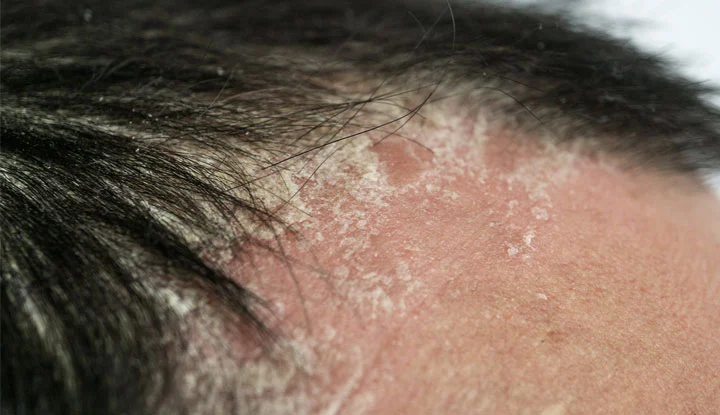
- Dandruff and seborrhoeic dermatitis: the most common cause; flaky, itchy, sometimes oily scalp, linked to a yeast called Malassezia.
- Dry scalp: especially in winter or with hot water washes.
- Reaction to hair products: dyes (especially PPD), fragrances or harsh shampoos.
- Head lice: intense itching, especially behind the ears and at the nape; common in children.
- Fungal infection (scalp ringworm): round scaly patches with broken hair, more common in children.
- Scalp psoriasis: thick, silvery scales.
- Sweat and infrequent washing, especially under helmets or caps.
How Is Itchy Scalp Linked to Hair Fall?
Constant scratching can damage hair and follicles, causing hair to break or fall. Inflammation from dandruff, fungal infections or psoriasis can also lead to temporary hair shedding. Once the underlying problem is treated, hair usually grows back. Genetic hair loss (male- or female-pattern baldness) is different — it doesn’t cause itching and needs separate treatment.
Home Remedies for Itchy Scalp
1. Wash Regularly With the Right Shampoo
Many people wash too rarely because they fear hair fall, which lets oil and yeast build up. Wash 2–3 times a week with a mild shampoo. For dandruff, use an anti-dandruff shampoo containing ketoconazole, zinc pyrithione, selenium sulphide or salicylic acid; leave it on for 3–5 minutes before rinsing. Use lukewarm, not hot, water.
2. Coconut Oil for Dry Scalp
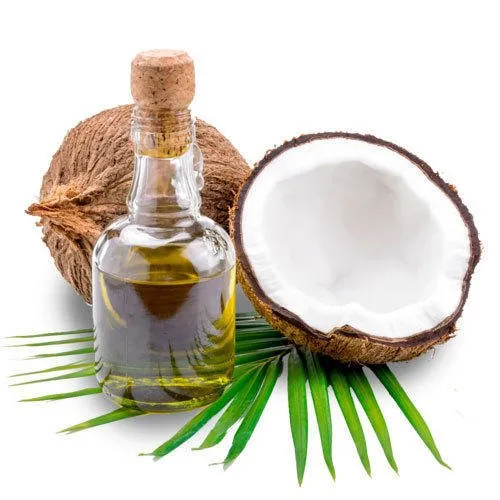
Coconut oil moisturises a dry scalp and may have mild antifungal properties. Warm a little oil, massage it in, leave for 30–60 minutes and wash out. If your itching is due to oily dandruff, leaving oil on overnight can make it worse.
3. Aloe Vera Gel
Fresh aloe vera gel is soothing and cooling. Apply it to the scalp for 20–30 minutes before washing. Patch test first.
4. Neem Water Rinse
Neem is used in Ayurveda for skin and scalp problems because of its antimicrobial properties. Boil a handful of neem leaves in water, cool and use as a final rinse after shampooing.
5. Diluted Tea Tree Oil
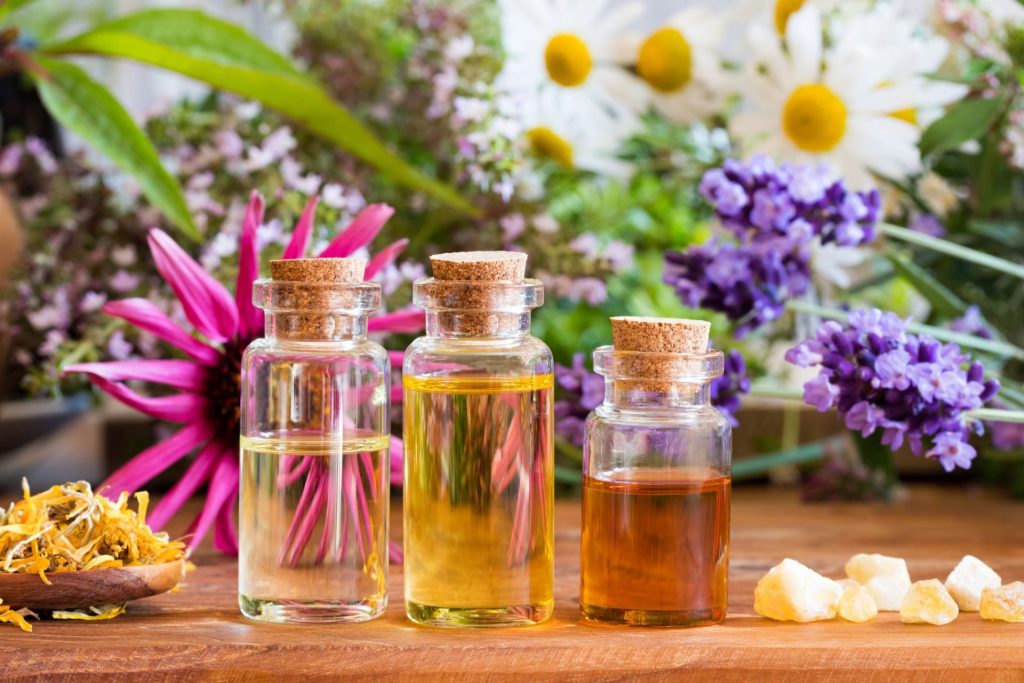
Tea tree oil has antifungal properties, and shampoo containing 5% tea tree oil has been shown to help with dandruff. Add a few drops to your shampoo or mix with a carrier oil. Never apply it undiluted, and stop if it stings.
6. Gentle Scalp Massage
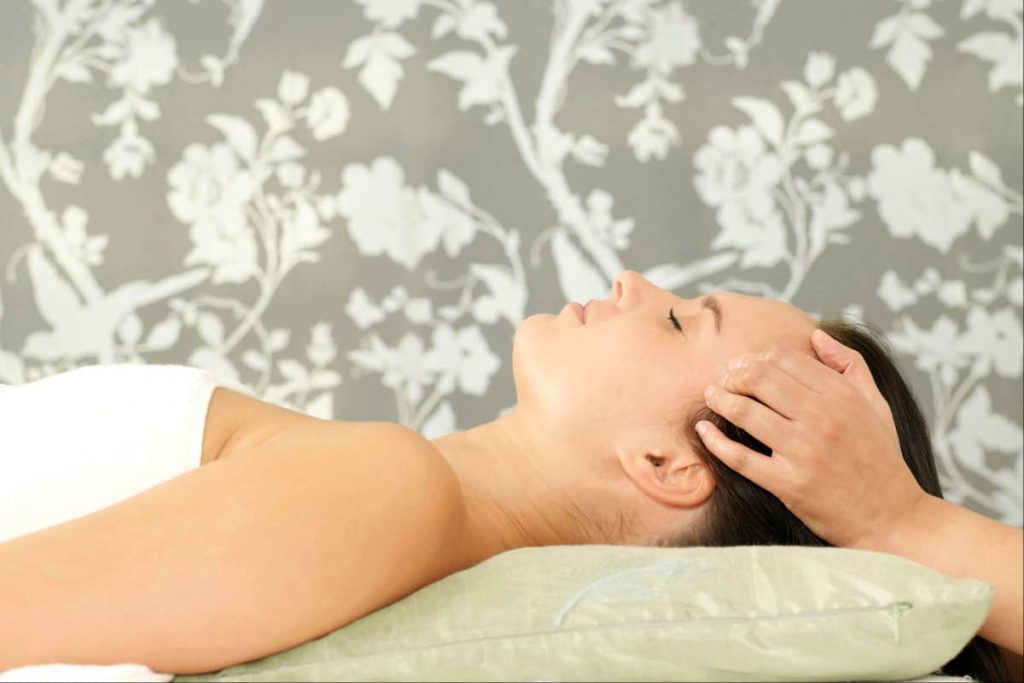
A few minutes of scalp massage with your fingertips (not nails) improves circulation, relaxes you and may support thicker-looking hair over time.
7. Eat a Balanced Diet
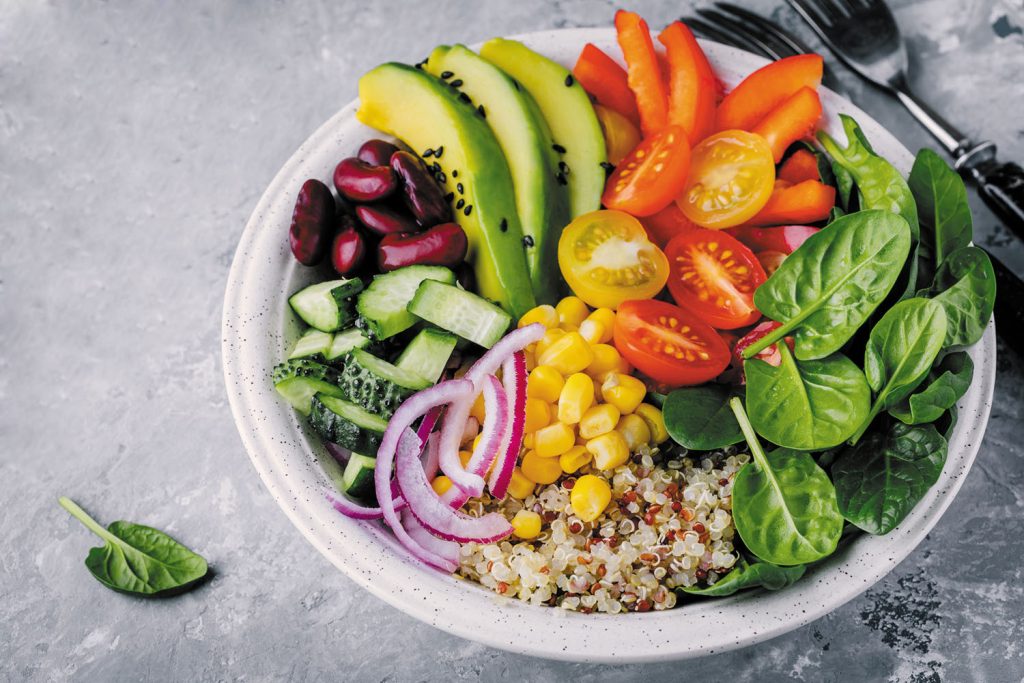
Protein, iron, zinc, vitamin D, B vitamins and omega-3 fats all support healthy skin and hair. Don’t take supplements unless you have a known deficiency, as some — like excess vitamin A or selenium — can actually cause hair loss.
8. Be Careful With Lemon Juice

Lemon juice is a popular dandruff remedy, but its acidity can sting and irritate an itchy or broken scalp. If you use it, dilute it well in water and avoid it if your scalp is sensitive or scratched.
Ayurvedic Tips for Scalp Health
- Regular warm oil massage (shiro abhyanga) with coconut or bhringraj oil for dry, Vata-type scalp.
- Cooling neem, aloe vera and amla for an itchy, inflamed, Pitta-type scalp.
- Reduce very spicy, fried and sour foods if you have dandruff with redness.
- Manage stress — it can worsen dandruff and hair fall.
For greying, read our guide on home remedies for premature grey hair.
Gentle Hair Care Habits
- Don’t scratch hard or use sharp combs on the scalp.
- Avoid very tight hairstyles and frequent heat styling.
- Rinse sweat out after workouts.
- Don’t share combs, towels or caps.
- Patch-test new hair dyes 48 hours before use.
When to See a Dermatologist
- Itching that doesn’t improve after 2–4 weeks of anti-dandruff shampoo
- Bald patches, broken hairs or round scaly patches
- Thick, silvery scales, oozing, crusting or sores
- Hair falling out in clumps or sudden thinning
- Itching so severe that it disturbs your sleep
- Signs of head lice that don’t clear with treatment
FAQs
What is the fastest home remedy for an itchy scalp?
Washing with an anti-dandruff shampoo (if you have flakes) or applying aloe vera gel or coconut oil (if your scalp is dry) usually gives the quickest relief.
Can dandruff cause hair fall?
Dandruff can lead to temporary hair shedding through inflammation and scratching. Hair usually grows back once dandruff is controlled.
Should I oil my hair if I have dandruff?
A short pre-wash oil massage is fine, but leaving oil on for long periods can feed the yeast linked to dandruff. Wash it out within an hour.
How often should I wash an itchy scalp?
Most people do well washing 2–3 times a week. If you have oily dandruff, washing more often may help.
Summary
Most itchy scalps improve with regular washing, the right anti-dandruff shampoo and gentle home remedies for itchy scalp like coconut oil, aloe vera, neem and diluted tea tree oil. Treat the itch and the hair fall usually settles. See a dermatologist if you notice patches, sores or sudden hair loss.
Also read: Ayurveda Hair Therapy at Home
Sources and Further Reading
Disclaimer: This article is for general information only and is not a substitute for medical advice.


2 thoughts on “Home Remedies for Itchy Scalp and Hair Fall: Causes, Natural Fixes and When to See a Doctor”