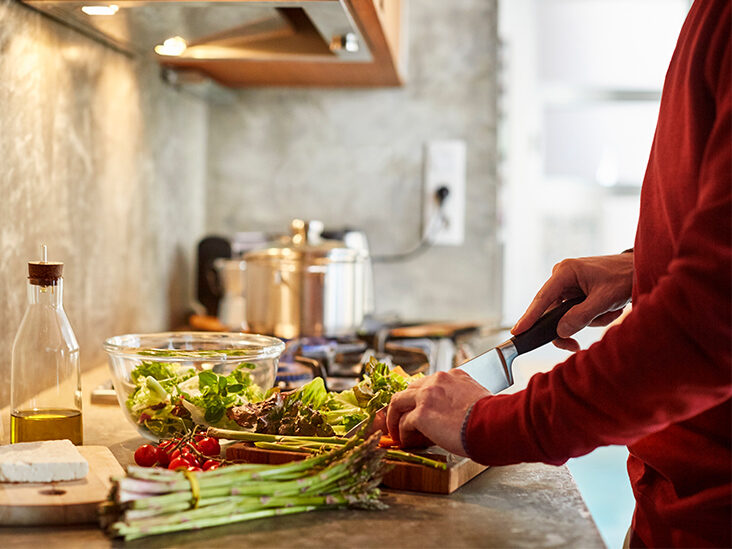
Cooking at home is one of the healthiest choices you can make — but some everyday kitchen habits quietly work against your health. Here are seven common kitchen health hazards in Indian homes and how to fix them.
Quick answer: The biggest hidden hazards in most kitchens are reusing frying oil, too much added sugar and salt, dirty sponges and cloths, cross-contamination between raw and cooked foods, storing leftovers too long, overheating non-stick pans, and storing hot food in low-quality plastic. Simple fixes — fresh oil, less sugar and salt, clean sponges, separate boards, quick refrigeration and safe cookware — make a big difference.
1. Reusing Frying Oil
Heating the same oil again and again creates harmful compounds such as trans fats and oxidation products. Fix: avoid reusing oil for deep frying more than once or twice, never reuse oil that has darkened, smells or foams, and fry less often.
2. Too Much Added Sugar
Sugar in tea, sweets, biscuits and drinks adds up quickly and is linked to weight gain, diabetes and tooth decay. Fix: reduce sugar in tea gradually, keep sweets for occasions and choose fruit for dessert.
3. Too Much Salt
Pickles, papad, namkeen, sauces and added salt push intake well above the WHO limit of under 5 g a day. Fix: taste before adding salt, use lemon, herbs and spices for flavour, and limit packaged foods.
4. Dirty Sponges and Kitchen Cloths
Damp sponges and cloths can harbour bacteria and spread them across surfaces. Fix: wash cloths daily, dry them in the sun, and replace sponges often.
5. Cross-Contamination
Using the same board or knife for raw meat and vegetables can spread germs. Fix: use separate chopping boards, wash hands and utensils after handling raw meat, and wash vegetables well.
6. Leftovers Stored Too Long
Cooked food left at room temperature for hours can grow bacteria. Fix: refrigerate leftovers within 2 hours, eat them within 1–2 days and reheat until steaming hot. Ayurveda also recommends eating fresh food.
7. Unsafe Cookware and Storage
Overheating empty non-stick pans or using scratched coatings, and storing hot food in low-quality plastic, are best avoided. Fix: cook on medium heat, replace damaged non-stick pans, and store hot food in steel or glass.
| Hazard | Simple fix |
|---|---|
| Reused frying oil | Use fresh oil, fry less |
| Excess sugar | Cut gradually, fruit for dessert |
| Excess salt | Under 5 g/day, more spices and lemon |
| Dirty sponges | Wash daily, replace often |
| Cross-contamination | Separate boards, wash hands |
| Old leftovers | Fridge within 2 hours, eat in 1–2 days |
| Damaged non-stick, hot food in plastic | Replace pans, use steel or glass |
FAQs
How many times can cooking oil be reused?
Ideally not at all for deep frying; if you must, once or twice, and discard it when it darkens or smells.
Is aluminium cookware safe?
Most aluminium cookware is safe for everyday use, but avoid cooking very acidic foods in it for long periods.
Are plastic containers safe for hot food?
It’s safer to store hot food in steel or glass.
Also read: Things to Avoid After Meals, Sendha Namak vs Table Salt
Sources and Further Reading
Disclaimer: This article is for general information only and is not a substitute for medical advice. Consult a doctor or qualified Ayurvedic practitioner before taking any medicine or supplement.