
Chia seeds are tiny black and white seeds that have become one of the most popular “superfoods” in Indian kitchens. They are easy to add to water, smoothies, curd or oats and are packed with fibre, plant protein and healthy fats.
In this guide, we look at the real chia seeds benefits, what they contain, how much to eat, the best ways to eat them, and the side effects to watch out for.
Quick answer: Chia seeds benefits come mainly from their high fibre (about 10 g per 28 g serving), plant omega-3 fats (ALA), protein, calcium and magnesium. They can support digestion, help you feel full, aid blood sugar control and support heart health. Eat 1–2 tablespoons a day, soaked in water or milk for at least 15–20 minutes, and drink enough water.
Chia Seeds Nutrition
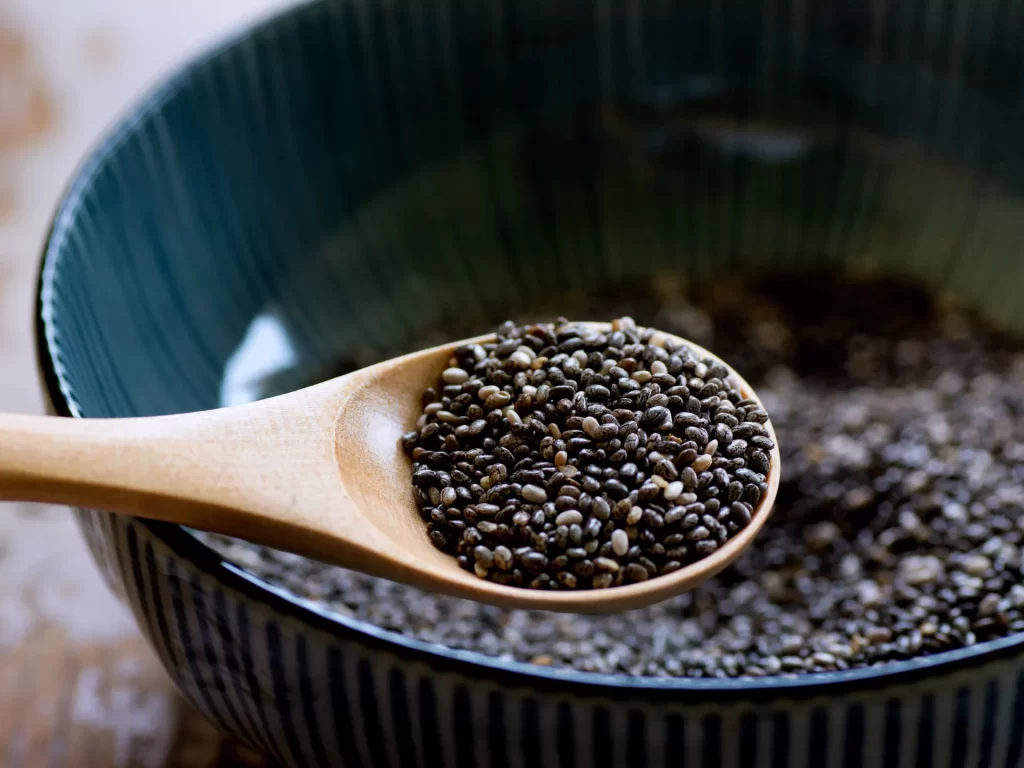
Approximate nutrition in 28 grams (about 2 tablespoons) of chia seeds:
| Nutrient | Amount |
|---|---|
| Calories | About 138 kcal |
| Fibre | About 10 g |
| Protein | About 4.7 g |
| Fat | About 8.7 g (mostly omega-3 ALA) |
| Calcium | About 18% of daily needs |
| Magnesium & phosphorus | Good source |
8 Chia Seeds Benefits
1. Rich in Fibre for Better Digestion
Chia seeds are one of the richest sources of fibre. When soaked, the soluble fibre forms a gel that adds bulk to stools and supports regular bowel movements. This can help with constipation when you drink enough water.
2. Helps You Feel Full
The fibre and gel slow digestion, so you may feel fuller for longer. This can help with portion control, but chia seeds alone won’t cause weight loss — overall diet and activity matter most.
3. Plant Source of Omega-3
Chia seeds contain alpha-linolenic acid (ALA), a plant omega-3 fat. ALA supports heart health, though the body converts only a small amount into the omega-3s found in fish (EPA and DHA).
4. May Support Blood Sugar Control
Because the fibre slows the absorption of sugar, adding chia seeds to meals may help reduce blood sugar spikes. Some small studies in people with type 2 diabetes show benefits, but they are not a replacement for medicines.
5. Supports Heart Health
Fibre and omega-3 fats are both linked to better heart health. Some studies suggest chia may help with blood pressure and cholesterol, though results are mixed. See also our list of fruits to lower cholesterol.
6. Good for Bones
Chia seeds provide calcium, magnesium and phosphorus — all important for bone health — which makes them useful for vegetarians and people who avoid dairy.
7. Plant Protein
With almost 5 g of protein in 2 tablespoons, chia seeds are a handy protein boost for vegetarians and vegans.
8. Rich in Antioxidants
Chia seeds contain antioxidants such as quercetin and chlorogenic acid, which help protect cells from damage.
How to Eat Chia Seeds
- Chia water: soak 1 tablespoon in a glass of water for 20 minutes; add lemon or a little honey.
- Chia pudding: mix 2 tablespoons with half a cup of milk or plant milk; refrigerate for a few hours or overnight and top with fruit.
- In curd or raita: stir in a teaspoon of soaked seeds.
- In oats, smoothies or salads: sprinkle soaked or dry seeds.
- Summer drinks: add to nimbu pani, buttermilk or sherbet — chia is often used like sabja (basil) seeds.
Ayurveda doesn’t describe chia seeds traditionally, but soaked chia is cooling and moist, so it suits summer and Pitta types; in winter, add it to warm porridge rather than cold drinks.
How Much Chia Should You Eat Daily?
For most adults, 1–2 tablespoons (15–30 g) a day is enough. Start with 1 teaspoon and increase slowly so your gut can adjust to the extra fibre.
Side Effects and Precautions
- Choking risk: dry chia seeds swell quickly. Don’t swallow a spoonful of dry seeds followed by water; soak them first, especially if you have trouble swallowing.
- Bloating or gas: too much fibre too fast can upset your stomach. Increase slowly and drink plenty of water.
- Medicines: chia may add to the effect of blood sugar and blood pressure medicines. Monitor your levels and talk to your doctor.
- Allergy: rare, but stop if you notice itching, rash or swelling.
Chia Seeds vs Sabja Seeds
| Chia seeds | Sabja (basil) seeds | |
|---|---|---|
| Look | Oval, black/grey/white | Tiny, round, black |
| Soaking time | 15–20 minutes | A few minutes |
| Eaten dry? | Yes, in small amounts | No, always soaked |
| Main use | Puddings, smoothies, baking | Falooda, sherbets |
FAQs
Can I eat chia seeds every day?
Yes. 1–2 tablespoons a day is safe for most healthy adults, as long as you drink enough water.
Is it better to eat chia seeds soaked or dry?
Soaked is better for most people. It’s easier to digest and removes the choking risk.
Do chia seeds help with weight loss?
They can help you feel full, which may support weight loss as part of a balanced diet, but they are not a magic fat burner.
When is the best time to eat chia seeds?
Any time works. Many people like chia water in the morning or chia pudding at breakfast.
Conclusion
The real chia seeds benefits are simple: lots of fibre, plant omega-3, protein and minerals in a tiny seed. Soak them, start small, drink plenty of water and enjoy them as part of a balanced diet.
Also read: Indian Low-Carb Diet Plan
Sources and Further Reading
Disclaimer: This article is for general information only and is not a substitute for medical advice.



2 thoughts on “Chia Seeds Benefits: 8 Reasons to Add Them to Your Diet (and How to Eat Them)”