
Methi dana, or fenugreek seeds, are a staple of Indian kitchens — tempered in dals, added to pickles and soaked overnight as a traditional morning drink. Ayurveda has valued fenugreek for centuries for digestion and balancing Vata and Kapha.
This guide explains the main fenugreek seeds benefits, what research says, how to take methi seeds safely, and who should avoid them.
Quick answer: Fenugreek seeds benefits include better blood sugar control, support for digestion and constipation, possible improvements in cholesterol, increased breast milk for some mothers, relief from period pain, and hair and skin care. A common way to take them is 1 teaspoon soaked overnight in water. Avoid medicinal amounts during pregnancy, and take care if you are on diabetes or blood-thinning medicines.
Fenugreek Seeds Nutrition
One tablespoon (about 11 g) of fenugreek seeds provides roughly 35 calories, about 3 g of fibre, 2.5 g of protein, and good amounts of iron, manganese and magnesium. Much of the fibre is a soluble fibre called galactomannan, which is behind many of its benefits.
9 Fenugreek Seeds Benefits
1. Helps Manage Blood Sugar

This is the best-studied benefit. The soluble fibre slows the digestion and absorption of carbohydrates, and several clinical studies suggest fenugreek may lower fasting blood sugar and improve HbA1c in people with type 2 diabetes. Always continue your prescribed medicines and monitor sugar levels, as fenugreek can add to their effect.
2. Supports Digestion and Relieves Constipation
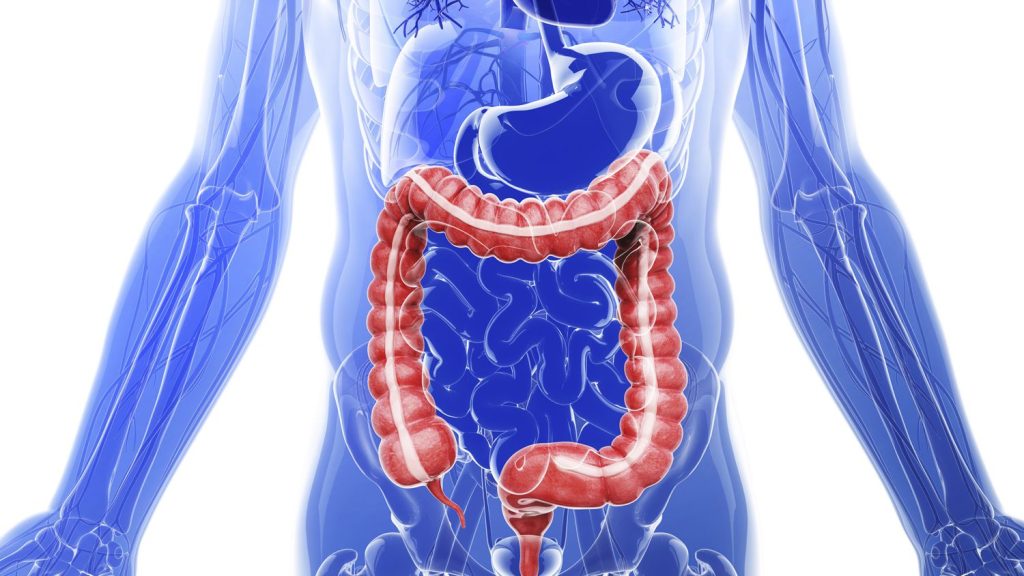
Soaked methi seeds form a gel that adds bulk to stools and soothes the gut. Ayurveda uses fenugreek to strengthen digestive fire (agni) and reduce gas and bloating.
3. May Improve Cholesterol

Some studies suggest fenugreek may lower total cholesterol, LDL and triglycerides, likely due to its fibre and saponins. Results vary, so it should complement, not replace, a heart-healthy diet and medicines.
4. May Increase Breast Milk
Fenugreek is one of the most traditional galactagogues (milk boosters) in India. A few small studies suggest it may help some mothers, but evidence is limited. Speak to your doctor or lactation consultant first.
5. Eases Period Pain

Small studies suggest fenugreek seed powder may reduce the pain of menstrual cramps. Read more in our guide to remedies for period cramps.
6. Anti-Inflammatory Properties

Fenugreek contains flavonoids and other antioxidants that may help reduce inflammation, though most evidence comes from laboratory and animal studies.
7. Supports Weight Management

The soluble fibre can help you feel full and may reduce appetite slightly. It works best as part of a balanced diet and regular exercise.
8. Hair Care

Methi hair packs are a popular home remedy for dandruff and dry hair. Soak 2 tablespoons of seeds overnight, grind into a paste, apply to the scalp for 30 minutes and wash off. Scientific evidence for hair growth is limited. See also home remedies for premature grey hair.
9. Skin Care

A methi paste is traditionally used for oily skin and pimples. Patch-test first, as it can irritate sensitive skin.
How to Take Fenugreek Seeds
| Method | How |
|---|---|
| Methi water | Soak 1 tsp seeds in a glass of water overnight; drink the water (and chew the seeds) in the morning |
| Sprouted methi | Sprout soaked seeds for 1–2 days and add to salads or sabzi |
| Methi powder | ½–1 tsp roasted powder with water or buttermilk |
| In cooking | Temper in dals, kadhi, sambar and pickles |
| Methi leaves | Methi thepla, paratha, aloo methi, dal methi |
For most adults, 1–2 teaspoons (5–10 g) of seeds a day is a common amount. Start small to see how your stomach reacts.
Side Effects and Who Should Avoid It
- Pregnancy: avoid medicinal amounts, as fenugreek may stimulate the uterus. Normal amounts in cooking are generally fine.
- Diabetes medicines: fenugreek may lower blood sugar further — monitor closely.
- Blood thinners: fenugreek may increase bleeding risk; check with your doctor.
- Allergy: people allergic to chickpeas or peanuts may react to fenugreek.
- Stomach upset: large amounts can cause gas, bloating or diarrhoea, and a maple-like smell in sweat or urine (harmless).
- Thyroid: limited evidence suggests large amounts may affect thyroid hormones; ask your doctor if you have thyroid disease.
FAQs
Is it good to drink methi water every day?
For most healthy adults, a glass of methi water made with 1 teaspoon of seeds is safe daily. People with diabetes, pregnant women or those on medicines should check with their doctor.
Can fenugreek seeds reduce belly fat?
Fenugreek may help you feel full and support blood sugar control, but it cannot target belly fat. Diet, sleep and exercise matter most.
Which is better, soaked or sprouted methi?
Both are good. Sprouting makes the seeds less bitter and easier to digest.
Can I eat fenugreek seeds at night?
Yes, though most people prefer methi water in the morning on an empty stomach.
Conclusion
Fenugreek seeds benefits range from steadier blood sugar and better digestion to hair and skin care. A teaspoon of soaked methi a day is an easy way to start. Use it as part of a balanced diet, and check with your doctor if you are pregnant or taking medicines.
Sources and Further Reading
Disclaimer: This article is for general information only and is not a substitute for medical advice.



1 thought on “Fenugreek Seeds (Methi Dana) Health Benefits: 9 Uses, How to Take and Side Effects”