
Bloating after meals, cramps, sudden urges to rush to the toilet, or days of constipation followed by loose stools — if this sounds familiar, you may be dealing with irritable bowel syndrome (IBS). It is one of the most common digestive problems in India and can affect work, travel and confidence.
Ayurveda has described a similar condition, called Grahani, for centuries. This guide explains how Ayurvedic treatment for IBS works, which foods, herbs and lifestyle habits can help, and when you need to see a doctor.
Quick answer: Ayurvedic treatment for IBS focuses on strengthening digestive fire (agni) and calming Vata. It includes regular, warm, easy-to-digest meals, spiced buttermilk (takra), herbs such as bael (bilva), ginger, cumin and fennel, stress reduction through yoga and pranayama, and — under an Ayurvedic doctor’s supervision — therapies such as basti. It works best alongside, not instead of, a medical diagnosis.
What Is IBS (Grahani) in Ayurveda?
IBS is a long-term functional disorder of the gut. The bowel looks normal on tests, but it is extra sensitive and does not move food along smoothly. Common symptoms are:
- Abdominal pain or cramps that ease after passing stool
- Bloating and gas
- Diarrhoea (IBS-D), constipation (IBS-C) or both (IBS-M)
- A feeling of incomplete emptying, or mucus in the stool
- Symptoms that flare with stress or certain foods
In Ayurveda, the grahani is the part of the gut that “holds” food until it is digested, and it depends on a strong agni (digestive fire). When agni becomes weak or irregular, food is not digested properly, ama (undigested residue) forms and bowel habits become erratic.
Types of IBS According to Ayurveda
| Type | Main symptoms | Ayurvedic focus |
|---|---|---|
| Vataja Grahani | Gas, bloating, constipation or alternating stools, anxiety | Warm, moist, grounding food; regular routine |
| Pittaja Grahani | Loose stools, burning, acidity, irritability | Cooling, non-spicy food; calming herbs |
| Kaphaja Grahani | Heaviness, mucus in stool, sluggish digestion | Light, dry, spiced food; more activity |
Common Causes and Triggers
- Irregular meals, skipping meals or overeating
- Very spicy, oily, fried or junk food
- Cold drinks and refrigerated food
- Wrong food combinations (viruddha ahara)
- Stress, anxiety and poor sleep — the gut and brain are closely linked
- A previous stomach infection
- Specific food sensitivities, for example to milk, wheat or certain beans
Ayurvedic Treatment for IBS: What Helps
1. An IBS-Friendly Ayurvedic Diet
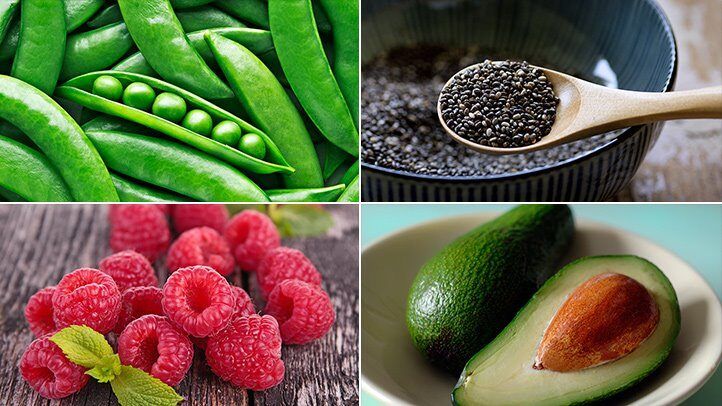
Diet is the foundation of Ayurvedic treatment for IBS.
Favour:
- Warm, freshly cooked meals at fixed times
- Moong dal khichdi, rice, well-cooked vegetables such as bottle gourd, ridge gourd and pumpkin
- Thin buttermilk (takra) with roasted cumin and a pinch of rock salt, after lunch
- A small amount of ghee, if it suits you
- Digestive spices: cumin, ginger, fennel, coriander, a pinch of hing (asafoetida)
Limit or avoid:
- Fried, very spicy and processed foods
- Cold drinks, ice cream and leftover refrigerated food
- Raw salads and sprouts during flares
- Large amounts of tea, coffee, alcohol and carbonated drinks
- Foods that you notice trigger your symptoms
Fibre affects people differently. Soluble fibre (oats, psyllium/isabgol, ripe banana) often helps, while large amounts of raw, rough fibre can worsen bloating. Many doctors also suggest a short, supervised trial of a low-FODMAP diet, which reduces certain fermentable carbohydrates.
2. Takra (Spiced Buttermilk)
Classical Ayurvedic texts call takra one of the best foods for grahani. Fresh, thin buttermilk with roasted cumin, ginger and rock salt is believed to strengthen agni and settle loose stools. If you are lactose-intolerant, skip it.
3. Ayurvedic Herbs for IBS
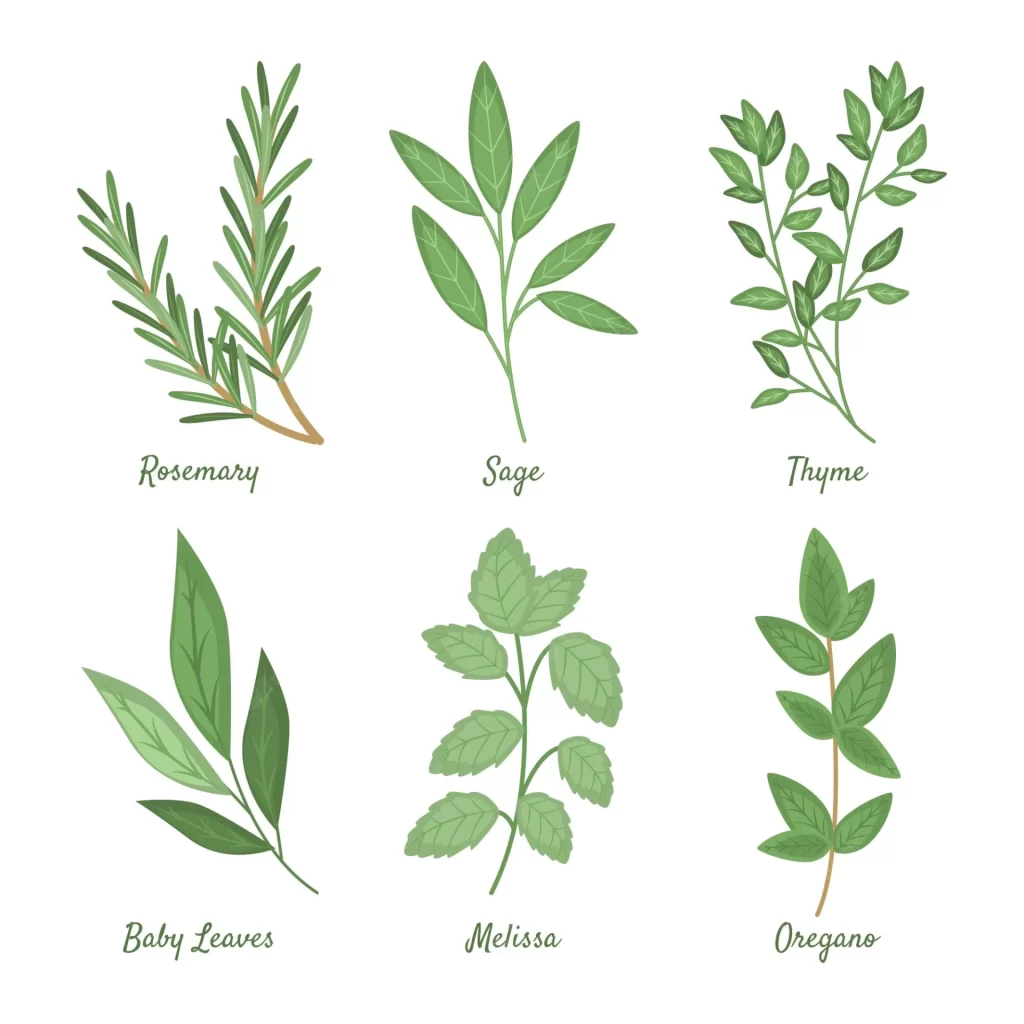
- Bael (Bilva): traditionally used for loose stools and IBS-D, often as bael murabba or bael powder.
- Ginger (Shunthi): supports digestion and reduces nausea and gas.
- Cumin (Jeera) and fennel (Saunf): ease bloating and cramps. Try jeera-saunf water after meals.
- Kutaja: a classical herb for diarrhoea, used under supervision.
- Isabgol (psyllium husk): a gentle soluble fibre that can help both constipation and loose stools.
- Triphala: sometimes used for constipation-type IBS, but it can worsen loose stools, so take it only on advice.
Avoid strong laxatives such as senna unless a doctor prescribes them. Always consult a qualified Ayurvedic doctor (BAMS) for herbal formulations and dosage, especially if you are pregnant, take other medicines or have other health conditions.
4. Yoga for IBS

Gentle yoga can reduce stress and support bowel movement. Helpful poses include:
- Pawanmuktasana (wind-relieving pose)
- Marjariasana (cat-cow)
- Balasana (child’s pose)
- Supta Baddha Konasana (reclining butterfly)
- Vajrasana after meals
Some studies suggest yoga may help improve IBS symptoms and quality of life.
5. Meditation and Pranayama

Stress is one of the strongest IBS triggers. Daily anulom-vilom, bhramari or slow belly breathing for 10 minutes can help calm the nervous system. Relaxation and mind-body therapies have been shown to help many people with IBS.
6. Panchakarma Therapies
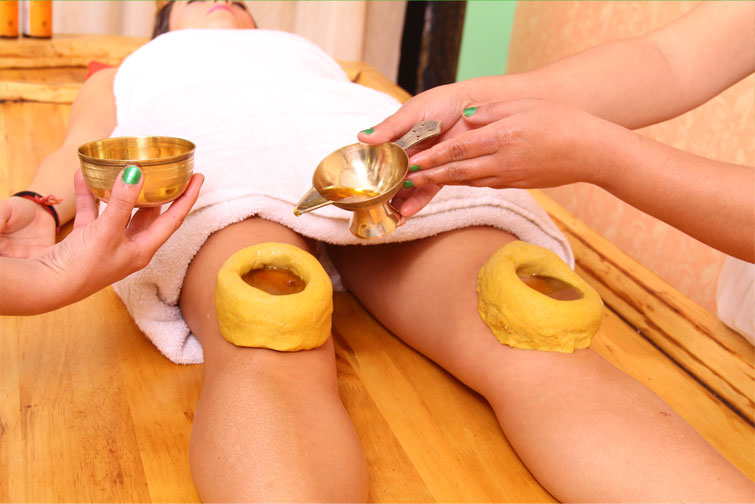
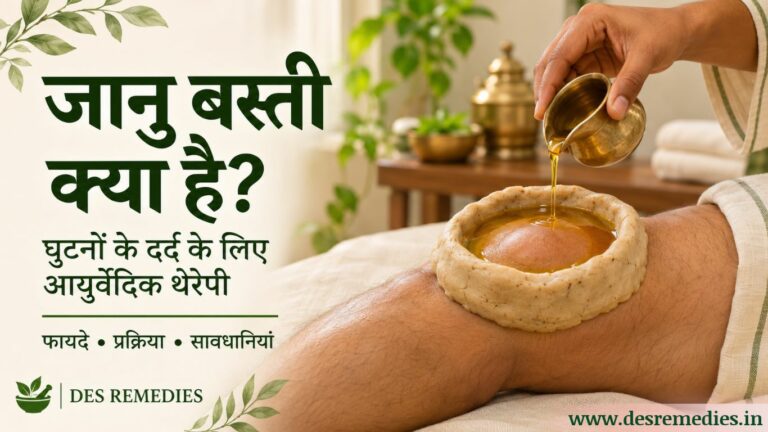
For long-standing IBS, an Ayurvedic doctor may recommend therapies such as basti (medicated enema), abhyanga (oil massage) or shirodhara for stress. These should only be done at a qualified centre after proper assessment.
7. A Steady Daily Routine (Dinacharya)
- Eat meals at the same times every day; make lunch the main meal.
- Don’t eat until the previous meal is digested.
- Sip warm water through the day.
- Sleep 7–8 hours and try to wake up early.
- Take a short walk after meals.
Simple Home Remedies for IBS Flares
- Jeera-saunf water: boil 1 tsp each of cumin and fennel in 2 cups of water for 5 minutes; sip warm.
- Ginger tea: a few slices of fresh ginger boiled in water, sipped before meals.
- Isabgol with water or buttermilk at bedtime (start with 1 tsp).
- A warm compress on the abdomen to ease cramps.
When to See a Doctor
IBS should be diagnosed by a doctor, because other conditions can cause similar symptoms. See a doctor promptly if you have:
- Blood in the stool or black stools
- Unexplained weight loss
- Symptoms that started after age 50
- Diarrhoea that wakes you at night
- Fever, persistent vomiting or anaemia
- A family history of bowel cancer, coeliac disease or inflammatory bowel disease
FAQs
Can IBS be cured permanently with Ayurveda?
IBS is a long-term condition that usually comes and goes. Ayurvedic treatment for IBS aims to reduce flares and improve digestion through diet, herbs and routine, and many people manage their symptoms well, but there is no guaranteed permanent cure.
Is curd good for IBS?
Ayurveda prefers thin, spiced buttermilk (takra) over thick curd, especially at night. Some people with IBS tolerate buttermilk well; those who are lactose-intolerant may need to avoid dairy.
Which Ayurvedic herb is best for IBS?
Bael is traditionally used for loose stools, ginger and fennel for gas and bloating, and isabgol for both constipation and loose stools. The right choice depends on your type of IBS, so consult an Ayurvedic doctor.
What should I eat for dinner if I have IBS?
A light, warm dinner such as moong dal khichdi, vegetable soup or well-cooked vegetables with rice, eaten 2–3 hours before bed, is usually easiest on the gut.
Takeaway
Ayurvedic treatment for IBS is about bringing your digestion back into rhythm: regular warm meals, gut-friendly foods like takra and khichdi, simple herbs such as bael, ginger and fennel, and steady stress relief through yoga and breathing. Track your triggers, make changes gradually and work with both your doctor and a qualified Ayurvedic practitioner for the best results.
Sources and Further Reading
Disclaimer: This article is for general information only and is not a substitute for medical advice, diagnosis or treatment.
1 thought on “Ayurvedic Treatment for IBS (Grahani): Diet, Herbs, Yoga & Home Remedies”