
Period cramps — known medically as dysmenorrhea — affect most women at some point. For some it is a mild ache, for others the pain in the lower belly, back and thighs is bad enough to miss school or work.
This guide shares practical home remedies for period cramps, simple Ayurvedic tips, and the warning signs that mean your period pain needs a doctor’s attention.
Quick answer: The most effective home remedies for period cramps are applying heat to the lower belly or back, gentle exercise and yoga, ginger tea, staying hydrated, a light warm diet, abdominal massage, ajwain or methi water, good sleep and stress relief. Over-the-counter pain relievers such as ibuprofen can help if taken as directed. Severe, worsening or unusual pain should be checked by a gynaecologist.
What Causes Period Cramps?
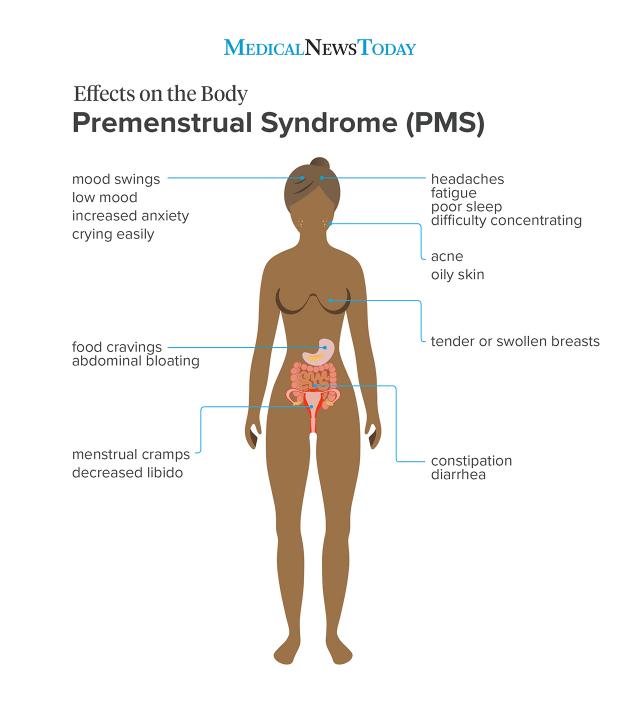
During your period, the uterus contracts to shed its lining. Hormone-like substances called prostaglandins trigger these contractions. Higher levels of prostaglandins mean stronger contractions and more pain.
Cramps are usually worse in the first 1–2 days. They are more common in younger women, those with heavy periods, and those who have never given birth. Conditions such as endometriosis, fibroids and PID can also cause painful periods (called secondary dysmenorrhea).
In Ayurveda, painful periods (kashtartava) are mainly linked to aggravated Vata, the dosha responsible for movement, which is why warmth, oil and rest are central to Ayurvedic care.
Common Symptoms
- Cramping or throbbing pain in the lower abdomen
- Dull ache in the lower back and thighs
- Nausea, loose stools, headache or dizziness
- Tiredness and bloating
10 Home Remedies for Period Cramps
1. Apply Heat

A hot water bottle or heating pad on your lower belly or back relaxes the uterine muscles. Studies show heat can be as helpful as some pain relievers for many women. Use a cloth between your skin and the heat to avoid burns.
2. Gentle Exercise and Yoga

Light activity such as walking increases blood flow and releases endorphins, the body’s natural painkillers. Yoga poses that may help include:
- Balasana (child’s pose)
- Supta Baddha Konasana (reclining butterfly)
- Marjariasana (cat-cow)
- Bhujangasana (cobra)
- Shavasana with slow belly breathing
3. Ginger Tea
Several small studies suggest ginger may reduce period pain. Boil a few slices of fresh ginger in water for 5–10 minutes, add a little jaggery or honey once warm, and sip 2–3 times a day.
4. Ajwain (Carom Seed) Water
A traditional Indian remedy for cramps and bloating. Boil 1 teaspoon of ajwain in a glass of water, strain and sip warm.
5. Methi (Fenugreek) Seeds
Small studies suggest fenugreek powder may reduce period pain. Soak a teaspoon of seeds overnight and drink the water in the morning. Learn more about fenugreek seeds benefits.
6. Chamomile Tea

Chamomile has mild calming and antispasmodic effects and may help you relax and sleep better during your period.
7. Abdominal Massage With Warm Oil

Gently massage your lower belly in circular, clockwise motions with warm sesame or coconut oil for 5–10 minutes. A few drops of lavender oil mixed into the carrier oil may add a calming effect. Never apply essential oils undiluted.
8. Acupressure
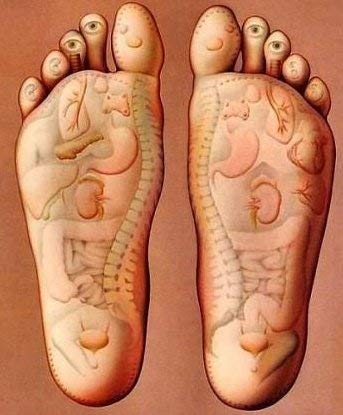
The SP6 point, about four finger-widths above the inner ankle bone, is commonly used for period pain. Press firmly for 1–2 minutes on each leg. Some studies suggest acupressure may help.
9. Eat Light, Warm and Anti-Inflammatory Foods

- Choose warm, home-cooked meals such as khichdi, dal and vegetable soups.
- Include foods rich in magnesium (nuts, seeds, leafy greens, bananas) and omega-3 (flaxseed, walnuts).
- Calcium and vitamin D from curd, milk and sunlight support muscle function.
- Cut down on very salty, sugary, fried and processed foods, which can increase bloating.
- Limit caffeine and avoid alcohol and smoking.
10. Rest, Sleep and Stress Relief
Stress and poor sleep can make pain feel worse. Try slow breathing, a warm bath and an early night.
Over-the-Counter Pain Relief
Anti-inflammatory pain relievers such as ibuprofen or mefenamic acid reduce prostaglandins and are often effective when started at the first sign of cramps. Follow the label or your doctor’s advice, and avoid them if you have stomach ulcers, kidney problems or asthma triggered by these drugs. Hormonal contraceptives prescribed by a doctor can also reduce period pain.
Ayurvedic Tips for Painful Periods
- Keep warm and avoid cold drinks and ice cream around your period.
- Rest more during the first two days; avoid intense exercise.
- Have a light, warm diet with ghee, cumin and ginger.
- Practise gentle oil massage of the lower back and abdomen.
- Herbs such as shatavari and ashoka are used in Ayurveda for menstrual health — take them only under expert guidance. Read our guide on Ayurvedic herbs for hormonal balance.
When to See a Doctor
- Pain that stops you from doing daily activities, or isn’t helped by pain relievers
- Pain that has become worse over time, or started after age 25
- Very heavy bleeding (soaking a pad every hour) or large clots
- Pain between periods, during sex, or with fever or unusual discharge
- Severe pain if you could be pregnant
These can be signs of endometriosis, fibroids, infection or another condition that needs treatment.
FAQs
What is the fastest way to relieve period cramps at home?
Applying heat to your lower belly, lying in child’s pose and sipping warm ginger or ajwain water usually give the quickest relief. A pain reliever like ibuprofen can be taken as directed if needed.
Which drink is best for period pain?
Warm ginger tea, ajwain water, chamomile tea and plenty of plain water are good choices. Avoid cold drinks, alcohol and too much coffee.
Does exercise really help period cramps?
Yes, regular light-to-moderate exercise may reduce period pain over time. During heavy-pain days, gentle walking and stretching are best.
Is it normal to have very painful periods?
Mild to moderate cramps are common, but pain that disrupts daily life is not something you have to accept. See a gynaecologist.
Conclusion
Most period cramps can be eased with simple home remedies for period cramps: heat, gentle movement, warm drinks like ginger and ajwain water, a light diet and good rest. If your pain is severe or getting worse, see a doctor — effective treatment is available.
Sources and Further Reading
Disclaimer: This article is for general information only and is not a substitute for medical advice.
1 thought on “10 Home Remedies for Period Cramps That Actually Help (Plus Ayurvedic Tips)”