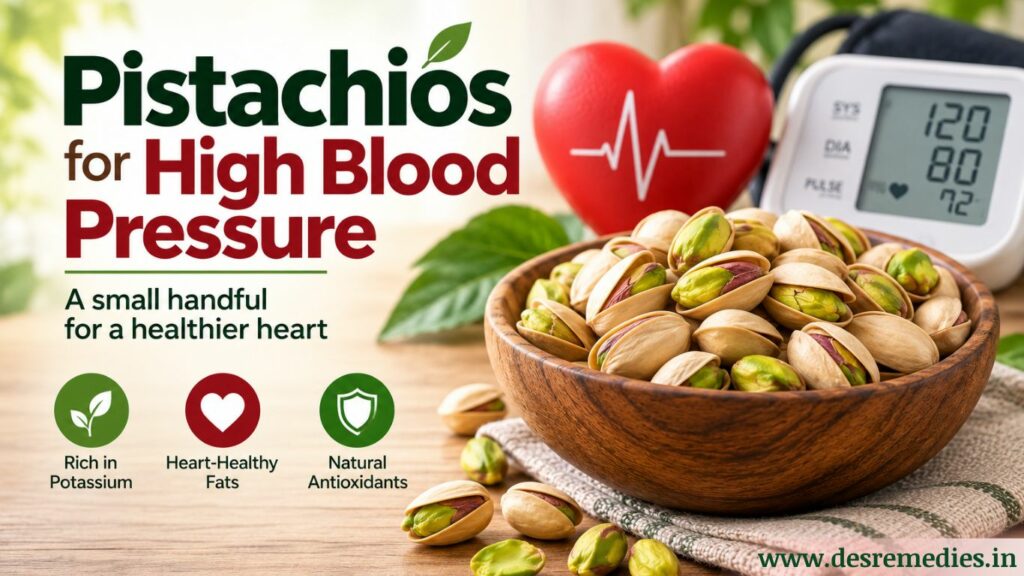
Pistachios for high blood pressure are quickly becoming one of the most recommended snacks by nutrition experts, and for good reason. If you have been told to watch your blood pressure, you have probably already heard the usual advice — cut down on salt, walk more, sleep well. But there is one simple food swap that often gets ignored: snacking on pistachios. These small green nuts are not just tasty. They are one of the best natural foods for people who want to manage blood pressure without giving up snacking altogether.
In this article, we will look at why pistachios for high blood pressure work so well, how they compare to other nuts, and simple ways to add them to your everyday meals.
Why Blood Pressure Control Matters
High blood pressure, also called hypertension, is often called a “silent” problem because it does not always show clear symptoms. Over time, it puts extra strain on your heart and blood vessels, which raises the risk of heart disease, stroke, and kidney problems. This is why doctors always talk about a heart-healthy diet as the first line of defense, along with regular movement and stress management.
Food choices play a bigger role in blood pressure control than most people realize. What you eat every day either helps your blood vessels relax and work smoothly, or it adds extra pressure on them. This is exactly where pistachios come in.
What Makes Pistachios for High Blood Pressure So Effective
A small handful of pistachios (about a quarter cup) gives you a mix of protein, fiber, healthy fats, and important minerals — all in a low number of calories. Here is what makes them stand out among heart-healthy snacks.
1. High Potassium, Very Low Sodium
Potassium and sodium work like two sides of a scale in your body. When sodium goes up, your body tends to hold on to more water, which increases blood volume and pushes blood pressure higher. Potassium works against this. It helps your kidneys remove extra sodium through urine and helps blood vessels relax, so blood can move more freely.
Pistachios (when eaten unsalted) are naturally low in sodium but rich in potassium. This combination is exactly what nutrition experts recommend for people trying to keep their blood pressure in a healthy range. Many other popular snacks — chips, salted nuts, packaged namkeen — do the opposite, loading you with sodium and very little potassium.
Related read: Consume These Fruits To Control High Cholesterol Levels
2. Good Fats That Support Your Heart
Not all fats are bad for your heart. Pistachios contain mostly monounsaturated fats, the same “good fat” family found in olive oil and avocados. These fats can help lower LDL cholesterol (the type that clogs arteries) while supporting HDL cholesterol (the type that protects your heart).
Healthy fats also help keep your blood vessels flexible. Flexible, elastic blood vessels can expand and contract easily as blood flows through them, which keeps pressure levels steady. Stiff, damaged blood vessels, on the other hand, force your heart to work harder.
3. Natural Antioxidants That Fight Inflammation
Pistachios contain plant compounds like vitamin E, lutein, and polyphenols. These act as antioxidants, meaning they help protect your cells from damage caused by unstable molecules known as free radicals.
Long-term inflammation in the body is closely linked to high blood pressure and heart disease. By reducing inflammation, the antioxidants in pistachios may help your blood vessels stay healthier for longer, supporting better circulation and more stable blood pressure over time.
4. Magnesium and Fiber, Too
Pistachios also provide a modest amount of magnesium, a mineral that helps relax blood vessel walls and supports normal heart rhythm. Combined with their fiber content, pistachios support both heart health and digestion, making them a well-rounded snack rather than just a source of one nutrient.
How Pistachios Compare to Other Nuts for Blood Pressure
Almonds, walnuts, and cashews are all healthy in their own way, but for people focused on pistachios for high blood pressure specifically, there’s a clear edge: pistachios pack more potassium per serving relative to their calorie count, and their shells naturally slow down how fast you eat them. Cracking each shell by hand means you eat more mindfully and often end up eating less overall — a small but helpful habit if you are watching your weight, which is another factor connected to blood pressure.
Simple Ways to Add Pistachios to Your Diet
You don’t need a special recipe to enjoy the benefits of pistachios. Here are a few easy ideas:
- As a snack: Keep a small bowl of unsalted, shelled pistachios at your desk instead of chips or biscuits.
- On top of breakfast: Sprinkle crushed pistachios over oatmeal, dahi (yogurt), or a fruit bowl.
- In salads: Add a spoonful of chopped pistachios to your salad for crunch and extra nutrition.
- As a coating: Use crushed pistachios as a crust for grilled fish or chicken instead of breadcrumbs.
- In smoothies: Blend a small handful into your morning smoothie for a creamy texture and a dose of healthy fat.
- With fruit: Pair a few pistachios with an apple or banana for a balanced snack that keeps you full longer.
The key is choosing unsalted or lightly salted pistachios. Roasted and heavily salted varieties can undo much of the sodium benefit, so always check the label if you’re buying packaged nuts.
If you prefer a more traditional approach, you can also try the Ayurvedic way to consume pistachios, which many people find easier on digestion.
Other Habits That Help Lower Blood Pressure
Pistachios can support your heart health, but they work best as part of a bigger lifestyle approach. A few habits worth building alongside your pistachio habit:
Follow a plant-forward diet. Diets rich in fruits, vegetables, whole grains, and low-fat dairy — similar to the well-known DASH diet — are consistently linked with lower blood pressure and better cholesterol levels.
Move your body regularly. Aiming for around 150 minutes of moderate exercise a week, such as brisk walking, cycling, or swimming, helps your heart pump more efficiently and reduces pressure on your arteries.
Watch your salt intake overall. Even if you add pistachios to your diet, cutting back on processed and packaged foods matters just as much, since these are often loaded with hidden sodium.
Limit alcohol and avoid smoking. Both habits can affect the blood vessels directly, making the heart work harder over time. Cutting back — or cutting out — these habits can make a noticeable difference within weeks.
Manage stress and sleep well. Chronic stress and poor sleep are often overlooked contributors to high blood pressure. Simple daily habits like short walks, breathing exercises, or a consistent sleep schedule can help.
A Quick Word of Caution
While pistachios are a genuinely healthy addition to most diets, they are still calorie-dense, so portion control matters if you are also watching your weight. If you have kidney issues, you should also talk to your doctor before increasing potassium-rich foods, since your body may process potassium differently. As always, no single food replaces medical treatment — if you have been diagnosed with high blood pressure, pistachios should support your treatment plan, not substitute for medicines or advice from your doctor.
The Bottom Line on Pistachios for High Blood Pressure
Pistachios are proof that small, simple food swaps can support big health goals. With their strong potassium-to-sodium ratio, heart-friendly fats, and antioxidant content, they stand out as one of the smartest nut choices for anyone focused on blood pressure control. Add a small handful to your daily routine — on their own, mixed into a meal, or blended into a smoothie — and pair it with an overall heart-healthy lifestyle for the best results. Choosing pistachios for high blood pressure management is a small habit that can add up to a real difference over time.