
Long hours on the phone or laptop, AC rooms, pollution and late nights have made dry eyes one of the most common eye complaints today. If your eyes feel gritty, burning, tired or watery by evening, you are not alone.
This guide shares safe, practical home remedies for dry eyes inspired by Ayurveda and backed by eye-care basics, along with the remedies you should never try and when to see an eye doctor.
Quick answer: The safest home remedies for dry eyes are a warm compress for 10 minutes, the 20-20-20 screen rule, blinking exercises, gentle eyelid cleaning, drinking enough water, eating omega-3 and vitamin A-rich foods, adding ghee and Triphala to your diet, using a humidifier and getting enough sleep. Do not put kitchen ingredients such as ghee, turmeric, lemon or homemade herbal water directly into your eyes.
What Causes Dry Eyes?
Dry eye happens when your eyes don’t make enough tears or the tears evaporate too quickly. Common causes include:
- Staring at screens (we blink much less while looking at a screen)
- Air conditioning, fans, heaters, dust and pollution
- Contact lens use
- Ageing and hormonal changes, especially after menopause
- Some medicines, such as antihistamines and some blood pressure or acne medicines
- Conditions such as diabetes, thyroid disease and rheumatoid arthritis
In Ayurveda, dry eye is linked to aggravated Vata (dryness) and Pitta (heat), which is why Ayurvedic advice focuses on moisture, cooling and rest.
Common Symptoms
- Dry, gritty or sandy feeling
- Burning or stinging
- Redness and eye fatigue
- Blurred vision that clears with blinking
- Watery eyes — the eye produces reflex tears when it is too dry
9 Safe Home Remedies for Dry Eyes
1. Warm Compress
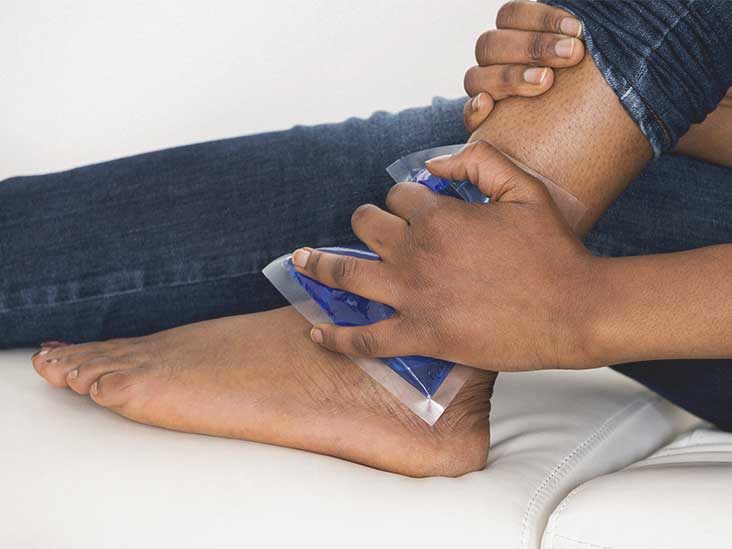
A warm compress softens the oils in the tiny glands along your eyelids, helping your tears stay on the eye longer.
- Dip a clean, soft cloth in warm (not hot) water and wring it out.
- Close your eyes and place the cloth over them for 5–10 minutes.
- Re-warm the cloth when it cools. Do this once or twice a day.
2. Follow the 20-20-20 Rule
Every 20 minutes, look at something about 20 feet away for 20 seconds. This relaxes your eye muscles and reminds you to blink.
3. Blinking and Palming (Ayurvedic Eye Rest)
Blink slowly and fully 10 times, several times a day. Then rub your palms together until warm and gently cup them over your closed eyes for 30 seconds without pressing. Ayurveda recommends this kind of rest to calm tired eyes.
4. Gentle Eyelid Cleaning
Clean your lashes and eyelid edges once a day with cooled boiled water on a clean cotton pad, or a mild eyelid cleanser recommended by your eye doctor. This helps if you have blepharitis (crusty, itchy lid edges), a common cause of dry eye.
5. Drink Enough Water
Mild dehydration can make dry eyes worse. Sip water through the day, and include buttermilk, coconut water and water-rich fruits.
6. Eat Omega-3 Rich Foods
Omega-3 fats help the oily layer of the tear film. Include flaxseeds (alsi), walnuts, chia seeds, soybeans and fatty fish if you eat it. Research on omega-3 supplements for dry eye is mixed, but omega-3-rich foods are good for overall health.
7. Vitamin A and Leafy Greens

Vitamin A is essential for a healthy eye surface. Carrots, pumpkin, sweet potato, papaya, mango, spinach and other green leafy vegetables are excellent sources. Ayurveda also recommends amla for eye health.
8. Ghee and Triphala — Taken Internally

Ayurveda considers ghee nourishing for the eyes and recommends a teaspoon with meals to balance Vata dryness. Triphala, a blend of amla, haritaki and bibhitaki, is traditionally taken internally (about half a teaspoon with warm water at bedtime) to support eye health. Ask your doctor first if you are pregnant, have diabetes or take other medicines.
Classical Ayurvedic eye therapies such as Netra Tarpana (medicated ghee pooled over the eyes) are done only by trained Ayurvedic doctors in a clinic using sterile, prepared medicines. They should never be tried at home.
9. Improve Your Environment and Sleep
- Don’t let a fan, AC or car vent blow directly into your face.
- Use a humidifier or keep a bowl of water in the room in dry weather.
- Wear sunglasses outdoors to protect from wind, dust and sun.
- Sleep 7–8 hours — tired eyes feel drier.
- Take regular breaks from contact lenses.
What NOT to Put in Your Eyes
Many online remedies suggest putting kitchen ingredients directly into the eyes. This can cause infection, irritation, allergic reactions or even damage to the cornea. Avoid:
- Ghee, butter or oils as eye drops
- Turmeric water, lemon juice or honey
- Homemade Triphala or herbal water as an eye wash
- Rose water that is not sterile and labelled for eye use
- Castor oil that is not a sterile, pharmacy-made eye drop
If you need drops, use preservative-free lubricating eye drops (artificial tears) from a pharmacy, or drops prescribed by your eye doctor.
When to See an Eye Doctor
- Symptoms don’t improve after 1–2 weeks of home care
- Eye pain, light sensitivity or a sudden change in vision
- Thick discharge, swelling or a red eye after contact lens use
- Dry eyes along with a dry mouth or joint pain
FAQs
What is the fastest home remedy for dry eyes?
A warm compress for 5–10 minutes, followed by slow blinking and a short screen break, usually gives the quickest relief.
Can I put ghee in my eyes for dryness?
No. Kitchen ghee is not sterile and can cause infection. Take ghee in your food instead, and leave Netra Tarpana to trained Ayurvedic doctors.
Is rose water good for dry eyes?
Only sterile rose water drops made and labelled for eye use should go in the eyes. Ordinary rose water can be used on a cotton pad over closed eyelids as a cooling compress.
Which foods help dry eyes?
Foods rich in omega-3 (flaxseed, walnuts, chia, fish), vitamin A (carrots, spinach, papaya), and plenty of water and ghee in moderation support eye health.
Takeaway
Most dry eyes improve with simple, safe habits: warm compresses, screen breaks, regular blinking, enough water, nourishing foods like ghee, amla and leafy greens, and a less dry environment. Keep homemade mixtures out of your eyes, and see an eye doctor if symptoms persist.
Also read: Ayurvedic Tips for Healthy Eyesight in Children and Vitamin D Deficiency
Sources and Further Reading
Disclaimer: This article is for general information only and is not a substitute for advice from an eye doctor.



2 thoughts on “Ayurvedic Home Remedies for Dry Eyes: 9 Safe Ways to Relieve Dry, Itchy Eyes”