
After a long day on your feet, few things feel better than a warm foot massage. In Ayurveda, this simple practice is called Padabhyanga (from pada, foot, and abhyanga, oil massage) and is recommended as part of the daily routine.
This guide explains the benefits of Padabhyanga foot massage, how to do it at home in 10 minutes, the best oils and the traditional kansa bowl technique.
Quick answer: Padabhyanga is a warm oil massage of the feet and lower legs. Ayurveda recommends it at bedtime to calm Vata, improve sleep, relax the mind, soften dry or cracked heels and ease tired feet. Use warm sesame oil (or coconut oil in summer), massage each foot for about 5 minutes, then wear cotton socks or wash off before bed.
Benefits of Padabhyanga

- Better sleep: Ayurvedic texts say foot massage brings sound sleep, and small studies suggest foot massage may improve sleep quality and relaxation.
- Relaxation and stress relief: gentle pressure on the feet has a calming effect.
- Soft, healthy feet: oil prevents dryness and cracked heels.
- Relief for tired feet and legs: helps after long periods of standing or walking.
- Eye health (traditional belief): Ayurveda links foot massage with eye health; this is a traditional teaching rather than a proven effect.
Best Oils for Padabhyanga
| Oil | Best for |
|---|---|
| Sesame oil (til) | Most people, especially in winter and for Vata |
| Coconut oil | Summer, Pitta, burning feet |
| Ghee | Burning feet and very dry skin |
| Mustard oil | Cold weather, Kapha |
| Ksheerabala or Mahanarayan oil | Aches and stiffness (Ayurvedic medicated oils) |
How to Do Padabhyanga at Home (10 Minutes)
- Warm 1–2 teaspoons of oil (comfortably warm, not hot).
- Sit comfortably and apply oil to one foot, including the soles, heels and toes.
- Rub the sole briskly with your palm for a minute to create warmth.
- Press along the arch and heel with your thumbs in small circles.
- Gently pull and rotate each toe, and massage between the toes.
- Massage the ankle in circles and stroke up the calf.
- Repeat on the other foot, then wear cotton socks or wipe off the excess.
The Kansa Bowl Technique
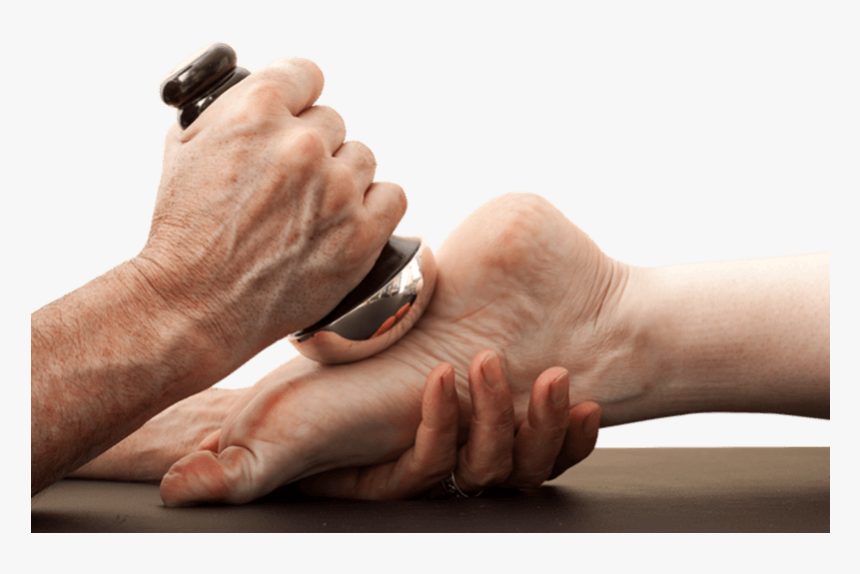
In traditional Padabhyanga, a small bowl made of kansa (bronze) is rubbed in circular movements on the oiled soles. Practitioners believe kansa has a balancing effect. You can buy a kansa wand for home use, or simply use your hands.
Marma Points in the Feet
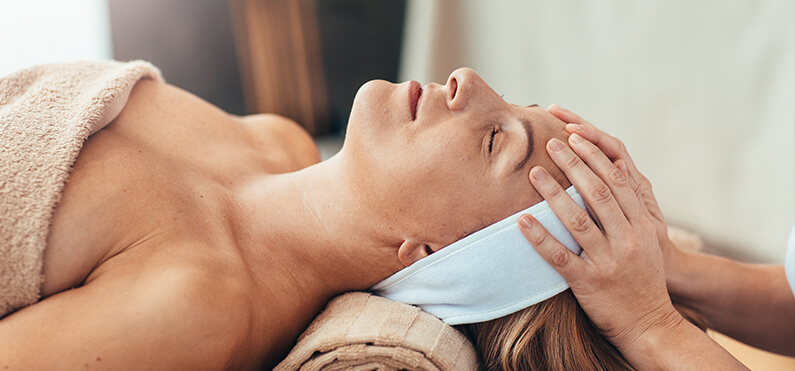
Ayurveda describes several marma (vital) points in the feet, such as Talahridaya in the centre of the sole. Gentle pressure on these points is part of a therapist-led Padabhyanga.
Precautions
- Avoid on open wounds, infections, fungal infections between the toes or swollen, painful joints.
- People with diabetes should check their feet daily and avoid hot oil — reduced sensation increases burn risk. Ask your doctor if you have neuropathy or poor circulation.
- Be careful walking on oily feet — wear socks.
- Check with a doctor if you have a blood clot (DVT) or varicose veins.
FAQs
When is the best time for Padabhyanga?
Before bedtime is ideal for better sleep.
Can I do Padabhyanga daily?
Yes, Ayurveda recommends it as a daily practice.
Does foot massage help sleep?
Many people find it relaxing and sleep better. It works well with a calm bedtime routine — read how to wake up at Brahma Muhurta.
Also read: Shirodhara for Stress and Sleep
Sources and Further Reading
Disclaimer: This article is for general information only and is not a substitute for medical advice.
2 thoughts on “Padabhyanga (Ayurvedic Foot Massage): Benefits, How to Do It at Home and Best Oils”