Ayurveda, India’s traditional system of medicine, focuses on preventing illness through a balanced daily routine, mindful eating and living in tune with nature. You don’t need special products to benefit — most Ayurvedic advice is about simple habits.
Quick answer: The core Ayurvedic tips for a healthy life are: wake up early and keep a regular routine (dinacharya), eat fresh home-cooked meals at fixed times with lunch as the main meal, eat seasonal and local food, move daily with yoga or walking, practise pranayama and meditation, sleep early, and use herbs or detox therapies only under qualified guidance. These habits support — but don’t replace — modern medical care.
What Is an Ayurvedic Lifestyle?
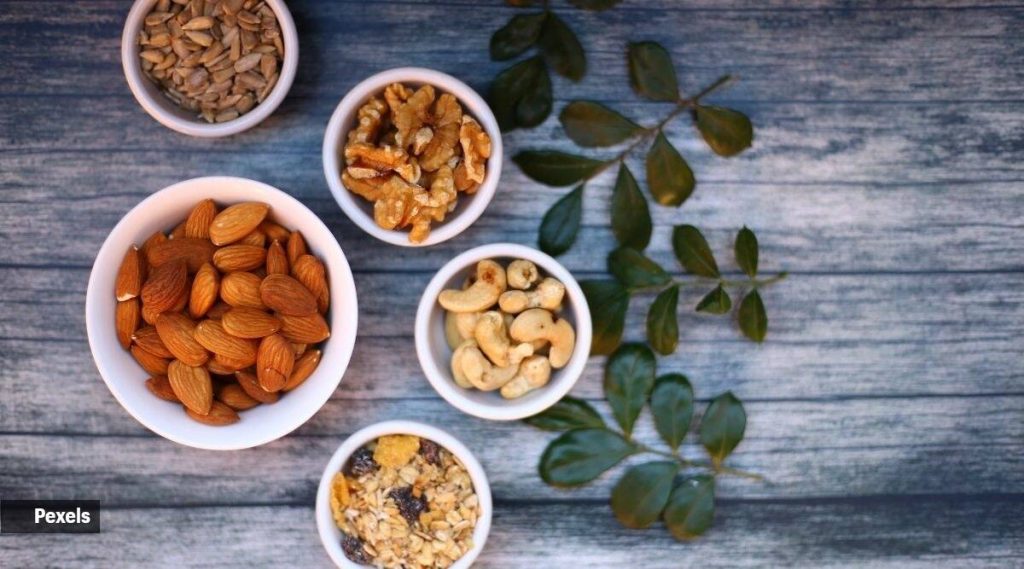
Ayurveda aims to keep the three doshas (Vata, Pitta and Kapha) and digestion (agni) in balance through routine, diet and behaviour, so that disease is less likely to develop.
A Simple Ayurvedic Daily Routine

| Time | Habit |
|---|---|
| Early morning | Wake up before sunrise, drink warm water, empty bowels |
| Morning | Brush, scrape tongue, oil pulling (optional), oil massage, bath |
| Before breakfast | Yoga, walk or pranayama |
| Midday | Main meal of the day |
| Evening | Light activity, time with family, light early dinner |
| Night | Screens off, foot massage, sleep by about 10 PM |
1. Eat a Balanced, Fresh Diet

Eat warm, freshly cooked meals with whole grains, dals, vegetables and some ghee. Avoid overeating, cold leftovers and wrong food combinations.
2. Choose Local and Seasonal Food

Seasonal produce suits the weather and your digestion — see our seasonal Ayurvedic diet guide.
3. Use Kitchen Herbs Wisely
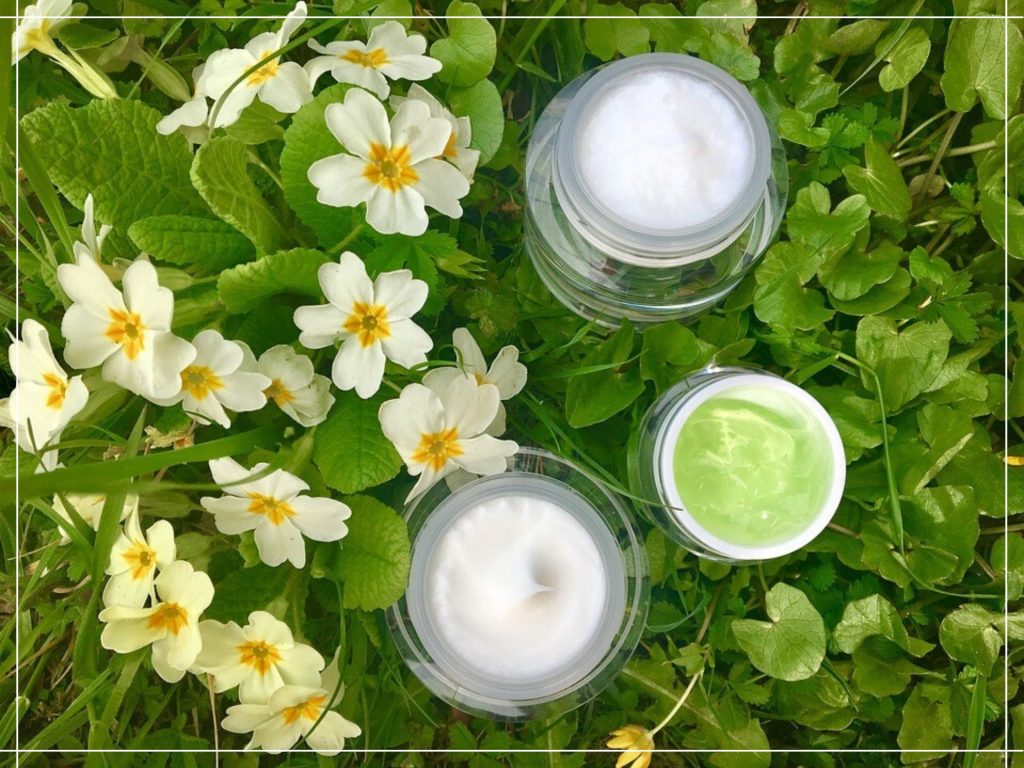
Turmeric, ginger, cumin, tulsi and amla are safe in food. Concentrated herbal medicines should be taken only on the advice of a qualified Ayurvedic doctor, and always tell your regular doctor about them.
4. Stay Active

Ayurveda recommends exercise to about half your capacity — enough to sweat lightly. Walking, yoga, cycling or sports all count.
5. Meditate and Reflect

10–20 minutes of meditation or pranayama daily helps manage stress and improves focus.
6. Rest and Gentle Cleansing

Simple measures like a day of light khichdi, enough water and good sleep support the body’s natural cleansing. Formal therapies such as Panchakarma should only be done at qualified centres after assessment.
7. Wellness Retreats
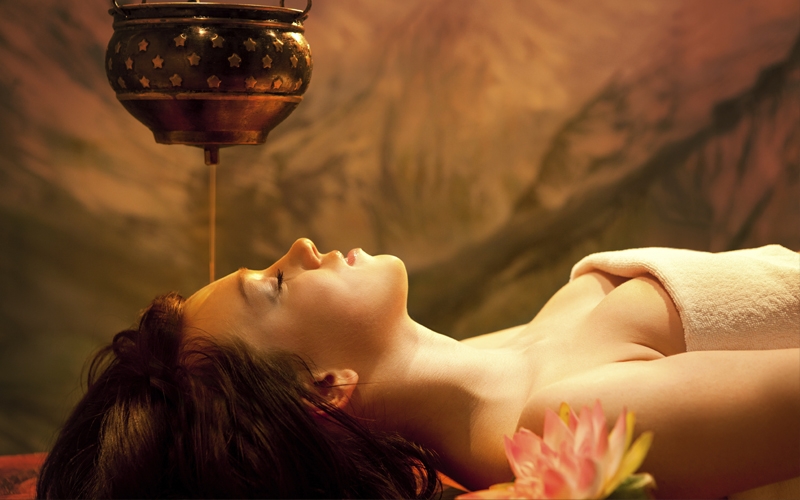
Ayurvedic retreats can be relaxing, but choose ones run by qualified doctors (BAMS/MD Ayurveda), and avoid places that promise cures for serious diseases.
FAQs
Is the Ayurvedic lifestyle suitable for everyone?
Its core habits — routine, fresh food, activity, sleep and stress management — suit most people. Herbal medicines need individual advice.
Can an Ayurvedic lifestyle cure chronic diseases?
It can support management of lifestyle diseases, but it should be used alongside, not instead of, medical treatment.
Where should I start?
Pick one habit — like an early dinner or a fixed bedtime — and add more gradually.
Also read: Ayurvedic Diet: Principles and Daily Plan, How to Wake Up at Brahma Muhurta
Sources and Further Reading
- Ayurvedic Medicine: In Depth – NCCIH (NIH)
- Ministry of AYUSH, Government of India
- Healthy Sleep – MedlinePlus
Disclaimer: This article is for general information only and is not a substitute for medical advice. Consult a doctor or qualified Ayurvedic practitioner (BAMS) before taking any Ayurvedic medicine.