
That burning feeling rising from your stomach to your chest or throat after a spicy meal is called heartburn. When it happens often, along with sour burps and a bitter taste in the mouth, it is commonly called acidity or hyperacidity. In Ayurveda, this condition is known as Amlapitta — literally “sour Pitta”.
This guide shares 10 gentle Ayurvedic home remedies for heartburn, simple diet and lifestyle changes, the remedies you should avoid, and the warning signs that need a doctor.
Quick answer: The safest Ayurvedic home remedies for heartburn are fennel (saunf) after meals, coriander seed water, a small piece of ginger before meals, tulsi leaves, amla, cumin water, a little aloe vera pulp, ripe banana or papaya, and thin buttermilk. Eat smaller meals, avoid spicy, fried and sour foods, finish dinner 2–3 hours before bed and don’t lie down right after eating.
What Causes Heartburn? The Ayurvedic View
Heartburn happens when stomach acid flows back into the food pipe (oesophagus). Common triggers include large meals, spicy, oily or fried food, tea, coffee, alcohol, smoking, being overweight, stress and lying down soon after eating.
Ayurveda says heartburn is caused by aggravated Pitta — the fire and water element — which becomes too hot, sharp and sour. Eating Pitta-increasing foods, irregular meals, late nights, anger and stress all add to the fire.
10 Ayurvedic Home Remedies for Heartburn
1. Fennel Seeds (Saunf)
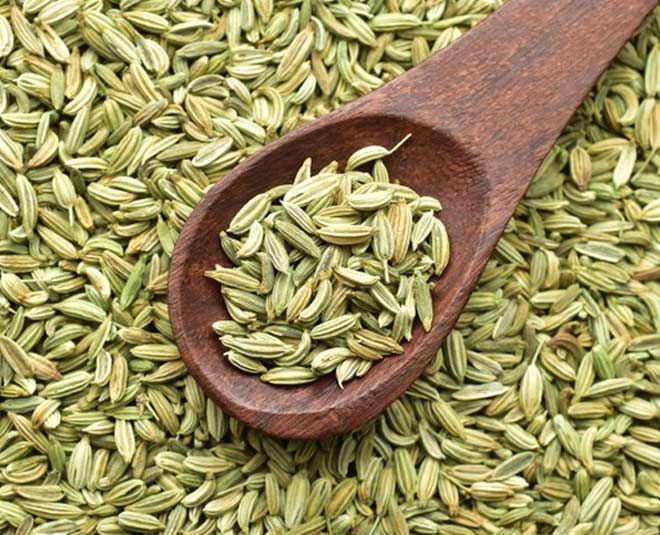
Fennel is cooling and helps digestion. Chew half a teaspoon of fennel seeds after meals, or steep a teaspoon in a cup of hot water for 5–10 minutes and sip as tea.
2. Coriander Seed Water (Dhania Water)
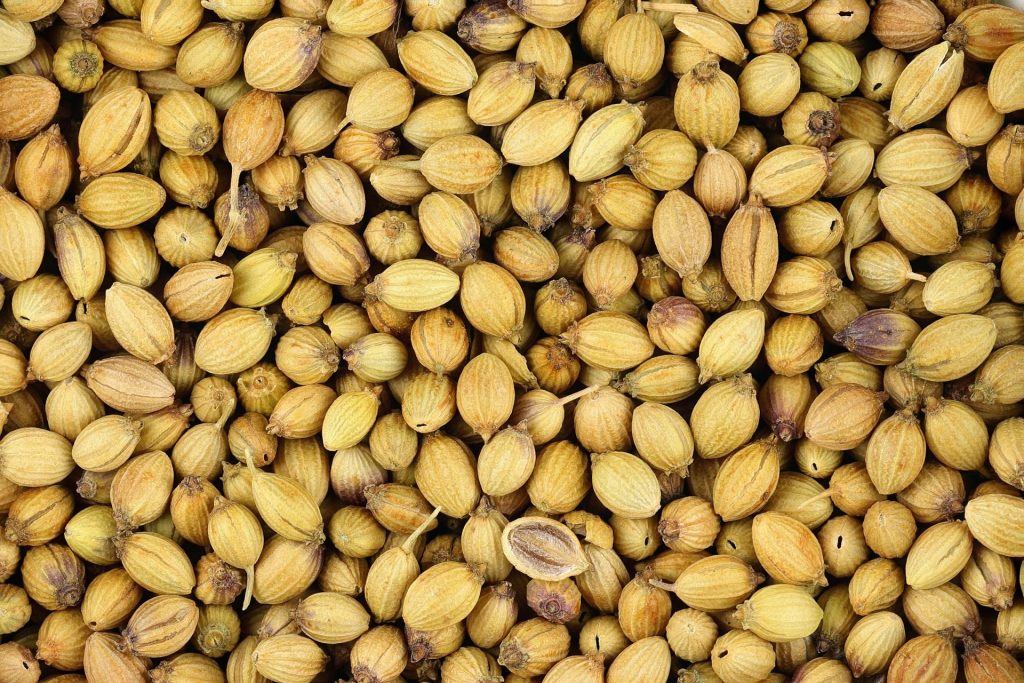
Coriander is one of the best Pitta-calming spices. Soak 1 teaspoon of lightly crushed coriander seeds in a glass of water overnight, strain and drink in the morning.
3. Ginger (in Small Amounts)
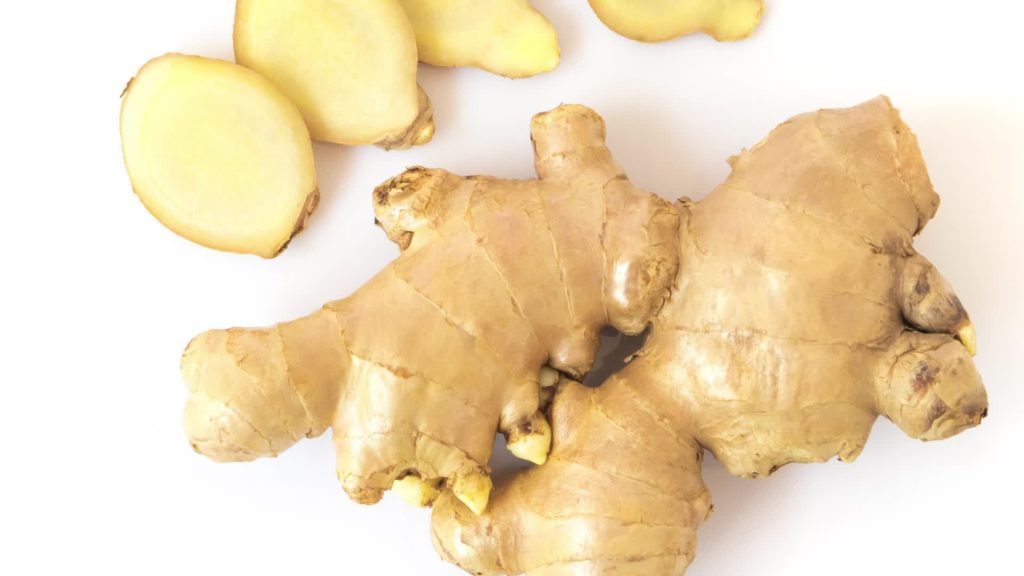
A small amount of fresh ginger helps digestion and reduces nausea. Chew a thin slice with a pinch of rock salt 15–20 minutes before meals, or sip mild ginger tea. Don’t overdo it — large amounts of ginger can worsen heartburn in some people.
4. Tulsi (Holy Basil) Leaves
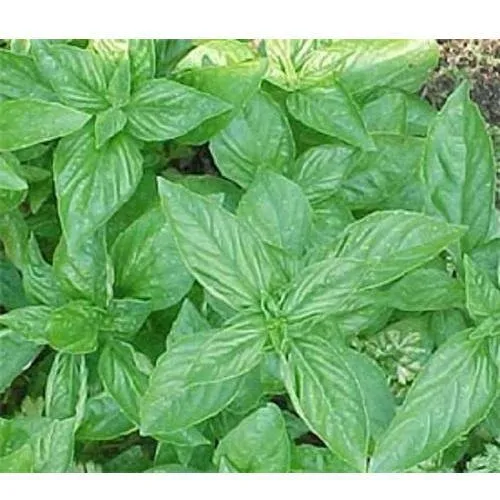
Chew 4–5 fresh tulsi leaves or sip a light tulsi tea. Ayurveda uses tulsi to soothe the stomach and calm digestion.
5. Amla (Indian Gooseberry)
Although sour in taste, amla is considered cooling in Ayurveda and one of the best fruits for Amlapitta. Take 1 teaspoon of amla powder with water in the morning, or eat a fresh amla. Stop if it bothers your stomach.
6. Cumin Water (Jeera Water)
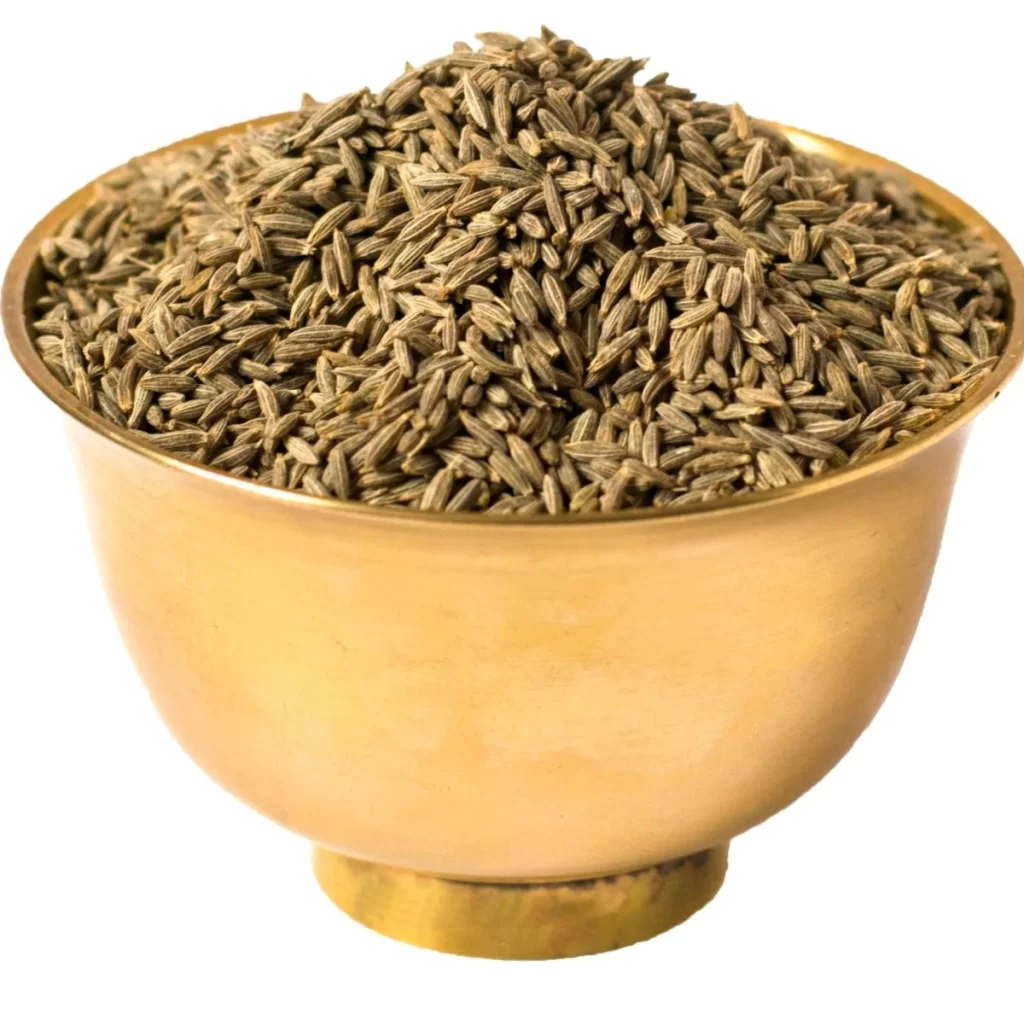
Boil 1 teaspoon of cumin seeds in 2 cups of water for 5 minutes, cool to warm and sip after meals. Roasted cumin powder in thin buttermilk is another good option.
7. Aloe Vera Pulp
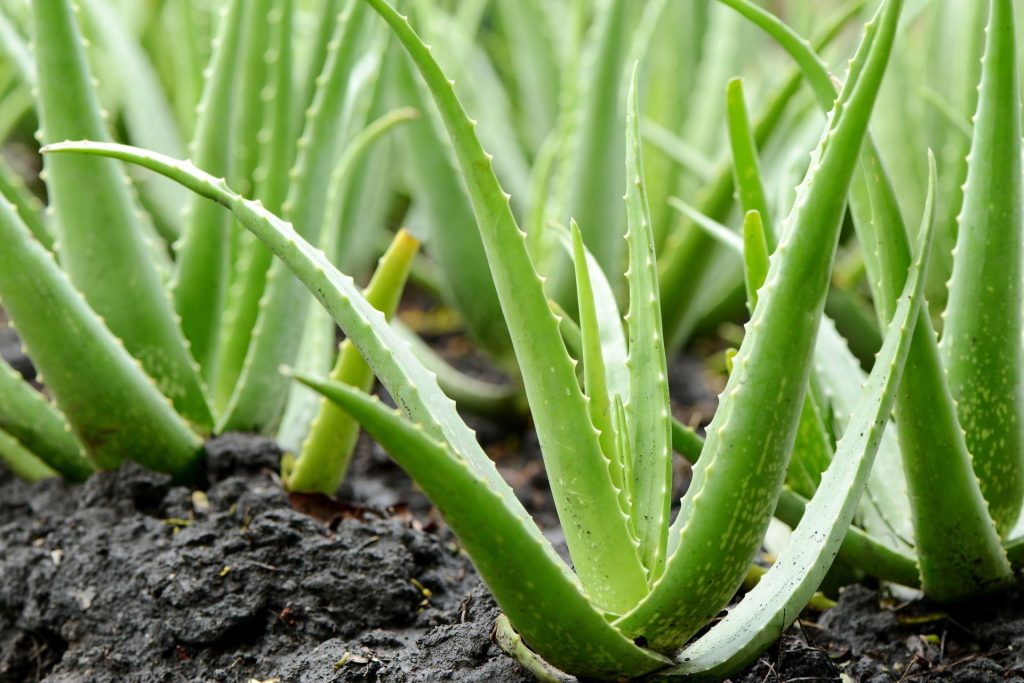
Fresh inner aloe vera gel is cooling. Take 1–2 tablespoons of plain pulp or a ready-to-drink aloe juice made for consumption. Avoid aloe latex (the yellow layer under the skin), which is a strong laxative, and avoid aloe during pregnancy.
8. Ripe Banana and Papaya

Ripe bananas and papaya are gentle, low-acid fruits that many people with heartburn tolerate well. Eat them as a snack between meals rather than straight after a heavy meal.
9. Thin Buttermilk (Takra)
Fresh, thin buttermilk with a pinch of roasted cumin and coriander leaves is cooling and supports digestion. Choose fresh, not sour, buttermilk.
10. Licorice (Yashtimadhu)
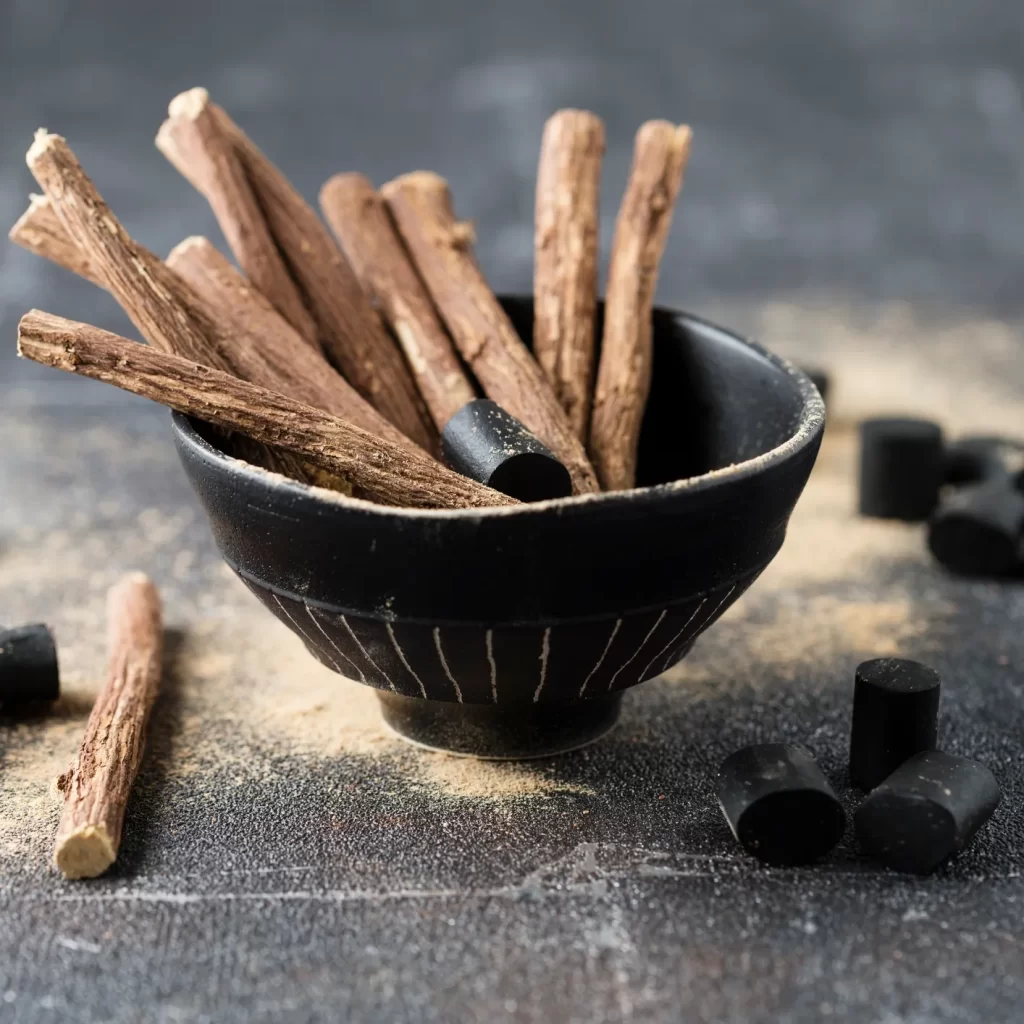
Yashtimadhu is a classical Ayurvedic herb for Amlapitta and is believed to soothe the stomach lining. A pinch of the powder with water can be used for a short time. Caution: regular use can raise blood pressure — avoid it if you have high BP, heart or kidney disease or are pregnant, and ask an Ayurvedic doctor before longer use.
A Note on Ghee
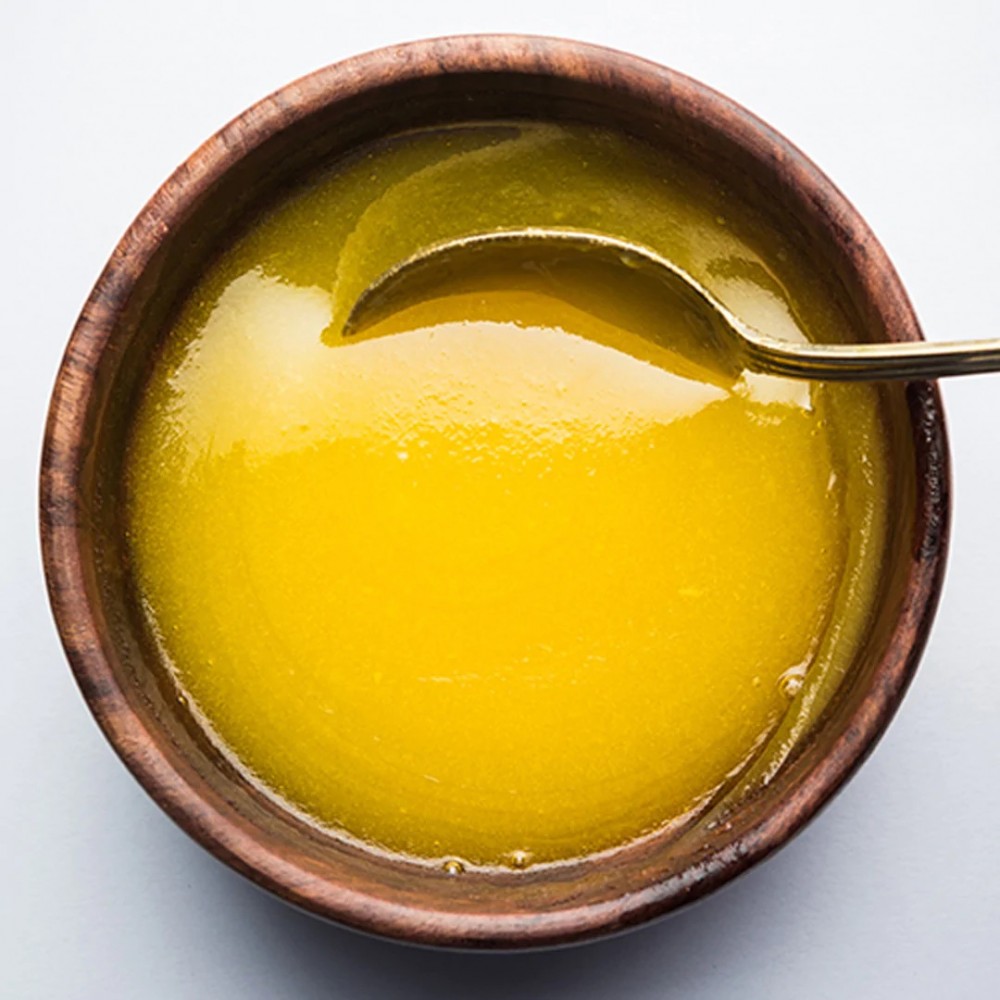
Ayurveda considers ghee cooling and soothing for Pitta, and a teaspoon with meals is traditionally recommended. However, fatty food can trigger reflux in some people, so notice how your body responds.
Remedies to Avoid or Use With Caution
- Apple cider vinegar and lemon juice: both are acidic and can make heartburn worse for many people.
- Baking soda: it gives quick relief but contains a lot of sodium and can cause problems if used often. Do not use it regularly, and avoid it if you have high blood pressure, kidney or heart problems, or are pregnant.
- Cold milk: it may soothe briefly, but the fat and protein can increase acid later. Avoid full-fat milk at bedtime if it worsens your symptoms.
- Peppermint: it can relax the valve at the top of the stomach and worsen reflux.
- Long fasting: going many hours without food can increase acidity. Eat small, regular meals instead.
Diet Tips for Acidity (Pitta-Calming Diet)
| Eat more | Limit or avoid |
|---|---|
| Rice, oats, barley, wheat | Very spicy food, chillies, pickles |
| Moong dal, lauki, tori, pumpkin, cucumber | Fried and oily snacks |
| Ripe banana, papaya, sweet apple, pomegranate, amla | Sour fruits, tomatoes in excess |
| Coconut water, fennel water, coriander water | Tea, coffee, alcohol, fizzy drinks |
| Ghee in moderation, thin buttermilk | Curd at night, fermented foods |
Lifestyle Habits That Prevent Heartburn
- Eat smaller meals at regular times — don’t skip meals.
- Finish dinner 2–3 hours before going to bed.
- Don’t lie down or bend over right after eating; take a gentle 10-minute walk instead.
- Raise the head of your bed by 6–8 inches if you get night-time heartburn.
- Avoid tight clothing around the waist.
- Manage stress with pranayama — sheetali and sheetkari breathing are traditionally used to cool Pitta.
- Quit smoking and limit alcohol.
- Avoid wrong food combinations that disturb digestion.
When to See a Doctor
Occasional heartburn is common, but see a doctor if:
- You have heartburn more than twice a week, or it keeps coming back despite home care
- You have difficulty or pain while swallowing
- You are losing weight without trying
- You vomit blood or have black, tarry stools
- You have persistent vomiting
Important: chest pain or pressure that spreads to the arm, jaw or back, especially with sweating or breathlessness, can be a heart attack. Seek emergency help immediately — don’t assume it is acidity.
FAQs
What is the fastest Ayurvedic remedy for heartburn?
Chewing fennel seeds, sipping coriander or cumin water, or drinking a glass of cool (not iced) water or coconut water can give quick relief for mild heartburn.
Is cold milk good for acidity?
Cold milk may give short-term relief for some people, but it can increase acid later. Thin buttermilk or coconut water are often better options.
Can Ayurveda cure acidity permanently?
Ayurveda can help reduce acidity by calming Pitta through diet, routine and herbs. Long-term results depend on maintaining these habits. Frequent or severe reflux should be checked by a doctor.
Is jeera water good for acidity?
Yes. Cumin water is a traditional remedy that supports digestion and is generally well tolerated.
Conclusion
Most heartburn can be managed with simple Ayurvedic home remedies for heartburn — fennel, coriander, cumin, tulsi, amla and thin buttermilk — together with smaller meals, an early dinner and a calm routine. Avoid harsh fixes like vinegar and frequent baking soda, and see a doctor if symptoms are frequent or severe.
Also read: Ayurvedic Treatment for IBS
Sources and Further Reading
Disclaimer: This article is for general information only and is not a substitute for medical advice. Consult a doctor if you have frequent or severe symptoms.

2 thoughts on “10 Ayurvedic Home Remedies for Heartburn and Acidity (Amlapitta) That Are Safe to Try”