
Desi ghee is a part of every Indian kitchen, and our grandmothers have long used it for dry lips, cracked heels and baby massages. Today, ghee is also popular as a natural skincare ingredient. But is it right for your skin type?
This guide explains the real benefits of ghee for skin, what Ayurveda says, simple ways to use it, and who should be careful.
Quick answer: Ghee for skin works mainly as a rich moisturiser. It can help soothe dry skin, chapped lips, rough elbows and heels, and dry under-eye skin, thanks to its fats and vitamins A and E. It suits dry and normal skin best. If you have oily or acne-prone skin, avoid applying ghee to your face, as it may clog pores.
Is Ghee Good for Skin?
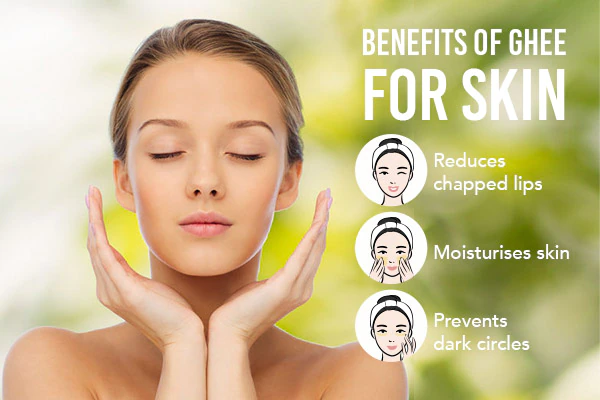
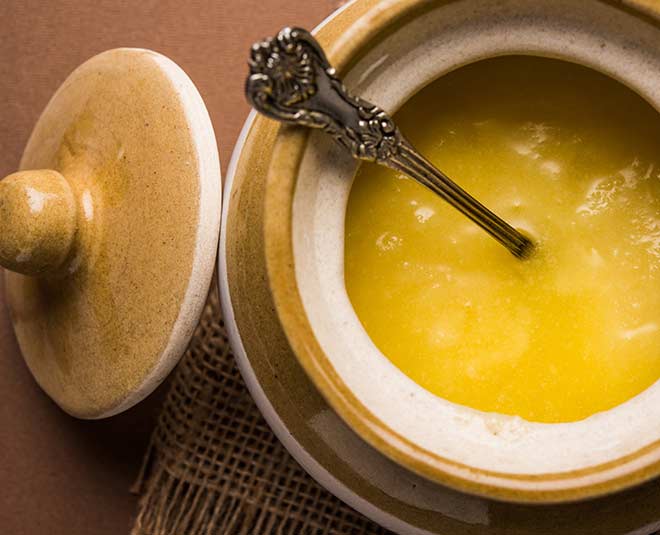
Ghee is clarified butter, made by simmering butter and removing the milk solids. It is rich in fatty acids and contains fat-soluble vitamins such as A and E. These fats help seal moisture into the skin, which is why ghee feels soothing on dry, rough patches. Scientific studies on applying ghee to the skin are limited, so most benefits are based on its moisturising properties and traditional use.
What Ayurveda Says About Ghee

Ayurveda considers ghee (ghrita) one of the most nourishing substances. Classical texts describe it as cooling, soothing and good for skin complexion, and it is the base of many medicated preparations, such as Shata Dhauta Ghrita (“100-times washed ghee”), traditionally used for dry skin and burns. Ghee is especially recommended for dry, Vata-type skin.
6 Benefits of Ghee for Skin
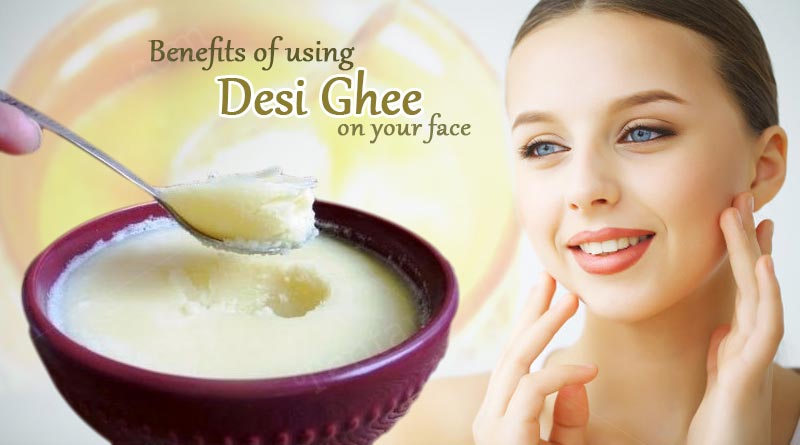
1. Deeply Moisturises Dry Skin
Ghee forms a protective layer that reduces water loss from the skin, making it useful for very dry patches in winter.
2. Softens Rough Skin
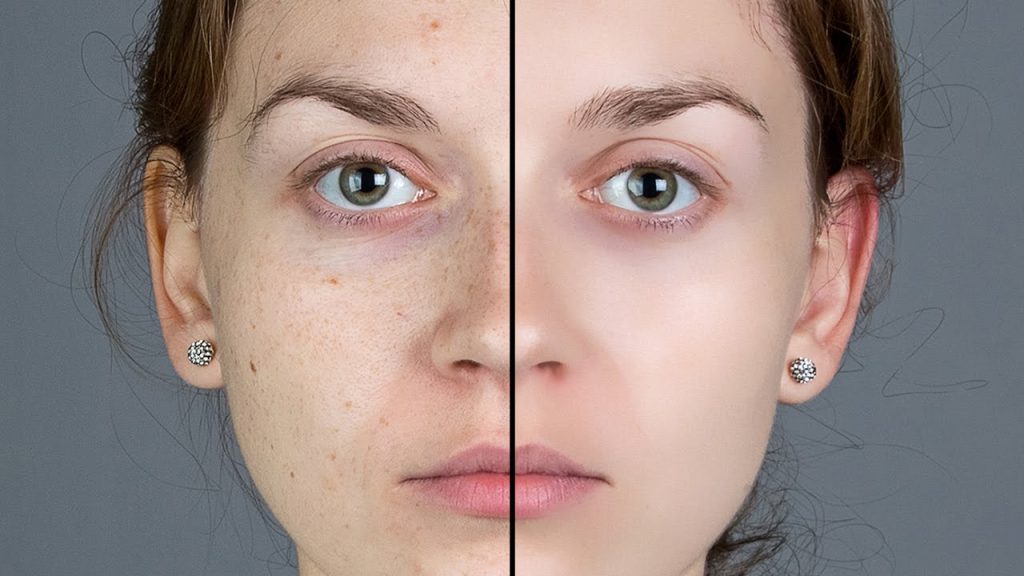
Massaging a little ghee into rough elbows, knees and cracked heels at night can leave skin softer by morning. Wear socks after applying to your feet.
3. Heals Chapped Lips
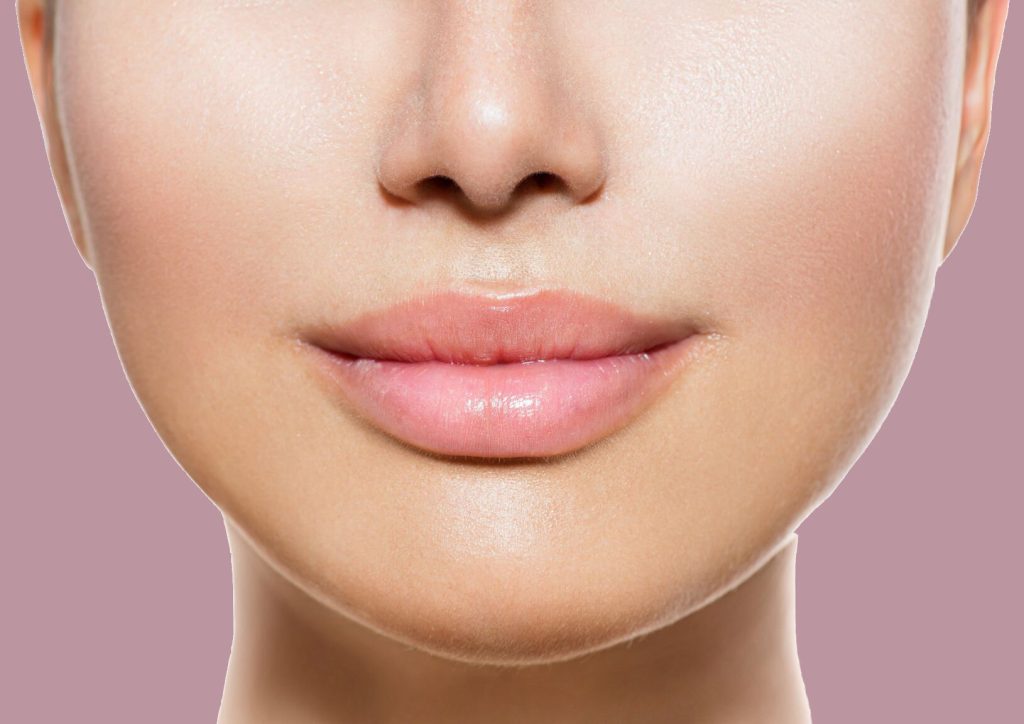
A tiny dab of ghee on dry, cracked lips before bed is a time-tested remedy. In Ayurveda, ghee is also applied to the navel (nabhi) for dry lips, though this is based on tradition rather than research.
4. Soothes the Under-Eye Area
Gently patting a very small amount of ghee around (not into) the eyes may help with dryness and fine lines. It won’t remove dark circles caused by genetics or lack of sleep, but well-moisturised skin can look less tired. Keep it out of your eyes.
5. Gives a Healthy Glow to Dry Skin
Moisturised skin reflects light better and looks plumper, which is the “glow” many people notice after using ghee.
6. Gentle Massage Oil
Ghee is a traditional massage base in Ayurveda. A light ghee massage of the face and body can relax the skin and mind, especially for dry skin types.
How to Use Ghee on Your Skin
Night Moisturiser for Dry Skin
Warm 2–3 drops of pure ghee between your fingertips and gently massage onto clean, slightly damp skin before bed. Use less than you think you need.
Ghee and Honey Face Mask
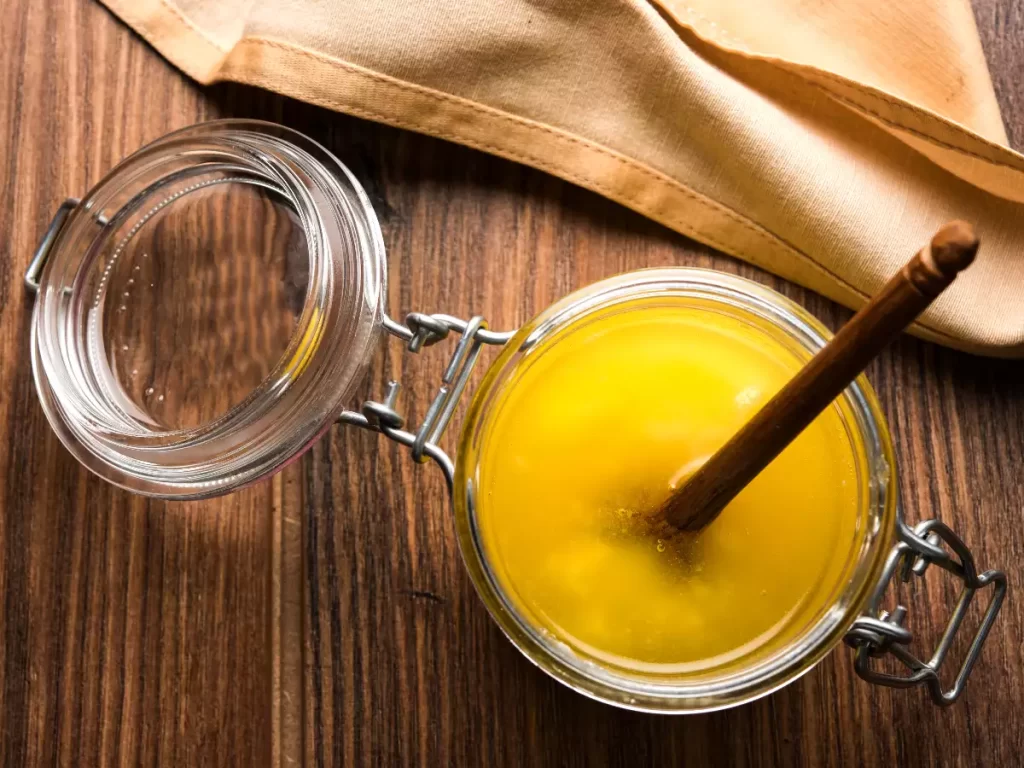
Mix half a teaspoon of ghee with one teaspoon of honey. Apply to clean skin for 10–15 minutes and rinse with lukewarm water. Honey is a natural humectant that draws moisture into the skin.
Ghee, Besan and Turmeric Pack
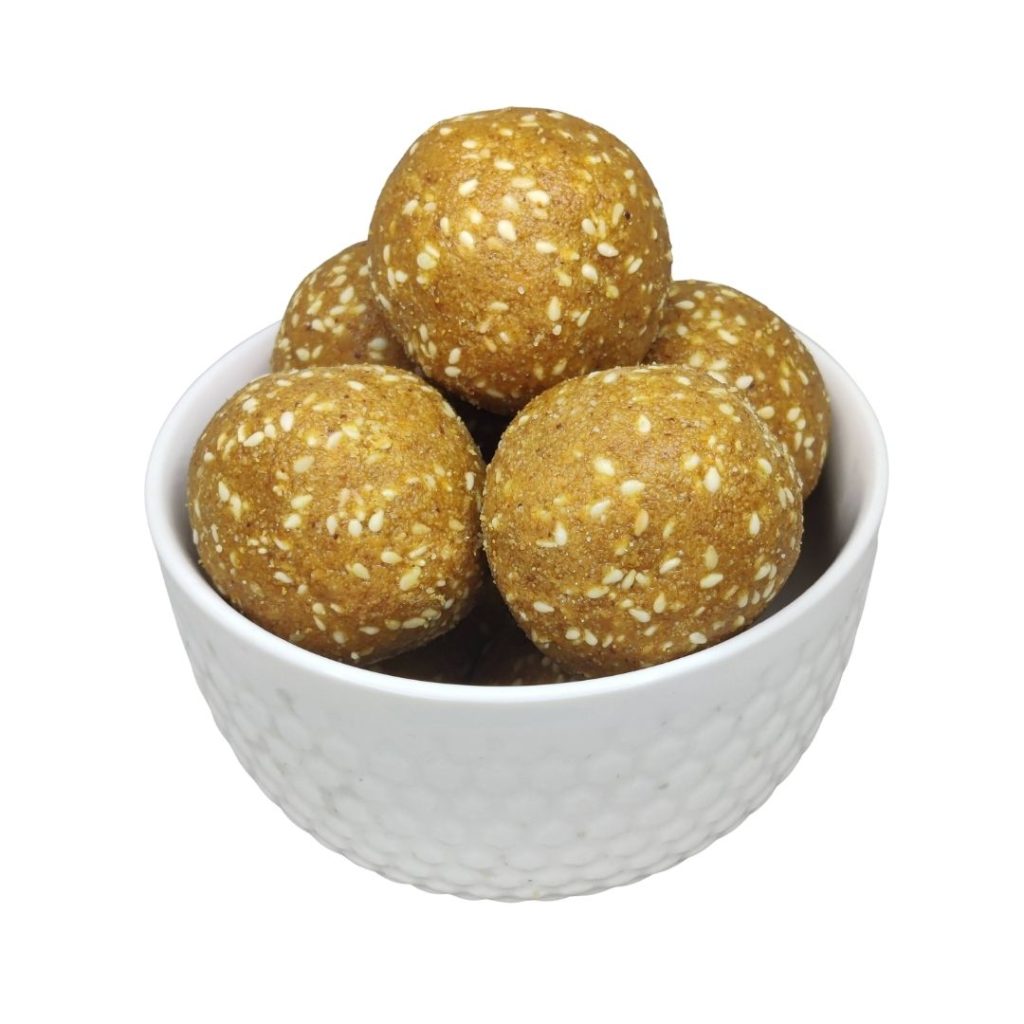
Mix 2 tablespoons of besan (gram flour), a pinch of turmeric, half a teaspoon of ghee and enough milk or rose water to make a paste. Apply for 15 minutes, then gently wash off. This is a gentle cleansing pack for dry skin. Avoid adding lemon juice, which can irritate the skin and increase sun sensitivity.
Ghee, Milk and Masoor Dal Scrub
Grind masoor dal into a fine powder, mix with a little milk and a few drops of ghee, and use as a very gentle scrub once a week. Don’t scrub hard or use it on active pimples.
Who Should Avoid Applying Ghee?
- Oily or acne-prone skin: ghee is heavy and may clog pores and cause breakouts.
- Fungal skin infections: rich fats can feed some fungal problems.
- Milk allergy: although ghee has very little milk protein, patch test first.
- Open wounds or burns: see a doctor rather than applying kitchen ghee.
Always do a patch test on your inner arm 24 hours before using ghee on your face.
Tips for Choosing Ghee
- Use pure, fresh desi ghee without added flavours or preservatives.
- Keep a small separate jar for skincare to avoid contaminating your cooking ghee.
- Eating a little ghee with meals also supports skin from within, according to Ayurveda — see our seasonal Ayurvedic diet guide.
FAQs
Can I apply ghee on my face daily?
If you have dry skin and no breakouts, a few drops at night is generally fine. People with oily or acne-prone skin should avoid it.
Does ghee lighten skin or remove pigmentation?
There is no good evidence that ghee lightens skin or removes pigmentation. Its main benefit is moisturising.
Is ghee good for dark circles?
Ghee can moisturise the dry under-eye area but cannot remove dark circles caused by genetics, allergies or lack of sleep.
Can ghee cause pimples?
Yes, in people with oily or acne-prone skin, applying ghee can clog pores and trigger pimples.
Conclusion
Ghee for skin is best used as a rich, natural moisturiser for dry skin, chapped lips, rough elbows and cracked heels. Use just a few drops, choose pure desi ghee, patch test first, and skip it on your face if your skin is oily or acne-prone.
Also read: Aloe Vera for Skin
Sources and Further Reading
Disclaimer: This article is for general information only and is not a substitute for advice from a dermatologist.
1 thought on “Ghee for Skin: 6 Benefits of Applying Desi Ghee on Your Face and How to Use It”