
ZHPH Production/Stocksy
Irregular periods, painful cramps, mood swings, acne, PCOS or hot flushes during menopause — hormonal changes affect women at every stage of life. Alongside medical care, many women turn to Ayurveda for gentle, long-term support.
This guide covers the most widely used Ayurvedic herbs for hormonal balance, what traditional use and early research say about each, how they are usually taken, and the precautions you should know before starting any herb.
Quick answer: The main Ayurvedic herbs for hormonal balance in women are Shatavari, Ashwagandha, Ashoka, Lodhra, Fenugreek (Methi), Turmeric, Guduchi and Licorice (Yashtimadhu). They are traditionally used for menstrual health, stress, PCOS and menopause symptoms. Evidence is still limited for most of them, so they should be taken under the guidance of a doctor or qualified Ayurvedic practitioner — especially if you are pregnant, breastfeeding, trying to conceive or on hormonal or other medicines.
How Ayurveda Views Hormonal Imbalance
Ayurveda does not talk about individual hormones. Instead, it looks at the balance of the three doshas, the strength of digestion (agni) and the health of the reproductive tissue (shukra/artava dhatu).
- Vata imbalance: irregular or scanty periods, cramps, anxiety, dryness, poor sleep.
- Pitta imbalance: heavy bleeding, acne, irritability, hot flushes.
- Kapha imbalance: weight gain, sluggishness, PCOS-type symptoms, delayed periods.
Herbs are chosen to match the imbalance and are always combined with diet, sleep, exercise and stress management.
8 Ayurvedic Herbs for Hormonal Balance
1. Shatavari (Asparagus racemosus)
Shatavari is Ayurveda’s best-known herb for women’s health; its name is often translated as “she who has a hundred husbands”. It is traditionally used to nourish the female reproductive system, support menstrual health, ease menopausal dryness and support breast milk. Some early studies suggest it may help with menopausal symptoms, but more research is needed.
Common use: powder with warm milk or as tablets, as advised.
Caution: avoid if you have oestrogen-sensitive conditions unless your doctor approves.
2. Ashwagandha (Withania somnifera)
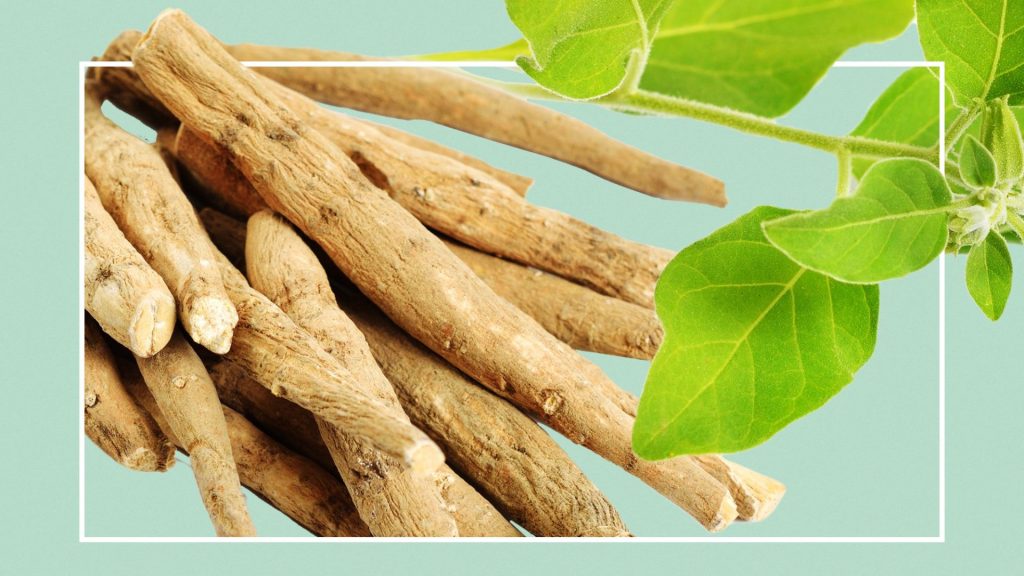
Ashwagandha is an adaptogen — a herb that helps the body cope with stress. Several clinical studies show it may reduce stress and cortisol levels and improve sleep. Because chronic stress can disturb periods and other hormones, ashwagandha is often used as supportive care. It has also been studied for thyroid function.
Caution: avoid in pregnancy. Talk to your doctor if you have thyroid disease (especially hyperthyroidism), autoimmune disease or liver problems, or take sedatives. Rare cases of liver injury have been reported.
3. Ashoka (Saraca asoca)
The bark of the Ashoka tree is a classical Ayurvedic remedy for heavy periods and menstrual pain, and is the main ingredient of Ashokarishta. Its name means “remover of sorrow”.
Caution: heavy bleeding needs a medical check-up first to rule out fibroids or other causes.
4. Lodhra (Symplocos racemosa)
Lodhra bark is traditionally used for heavy periods, white discharge and PCOS-type symptoms, often in combination with other herbs. Scientific evidence in humans is limited.
5. Fenugreek (Methi)
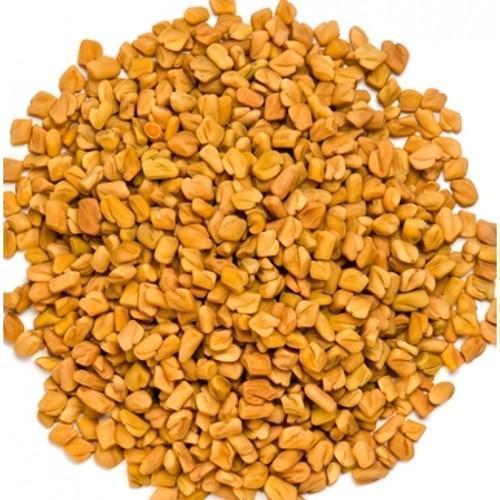
Methi seeds are a kitchen staple with a long history in women’s health. Small studies suggest fenugreek may help reduce period pain, and it may help with blood sugar control, which is important in PCOS.
Common use: soak 1 teaspoon of seeds overnight and drink the water in the morning.
Caution: avoid medicinal amounts in pregnancy; it may lower blood sugar, so take care if you are on diabetes medicines.
6. Turmeric (Haridra)
Turmeric is anti-inflammatory and is used in Ayurveda for skin, digestion and period discomfort. Some studies suggest curcumin may help reduce PMS symptoms and period pain.
Common use: in cooking or as haldi doodh (turmeric milk). High-dose supplements should be taken only on advice, as they can interact with blood thinners.
7. Guduchi (Giloy)
Guduchi is a rasayana herb traditionally used to support immunity and metabolism. It is sometimes included in Ayurvedic formulas for PCOS and insulin resistance.
Caution: there have been reports of liver injury linked to giloy, so use it only under supervision and avoid it if you have liver disease or an autoimmune condition.
8. Licorice (Yashtimadhu)
Yashtimadhu is used in Ayurveda for its soothing, rejuvenating properties, and small studies have looked at licorice for PCOS and menopause symptoms.
Caution: regular use can raise blood pressure and lower potassium. Avoid it if you have high blood pressure, heart or kidney disease, or are pregnant.
What About Shilajit?
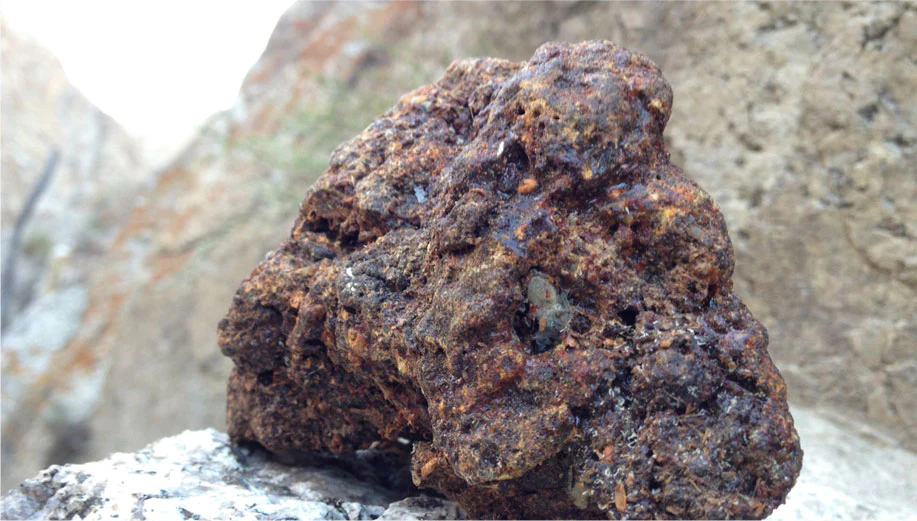
Shilajit is a mineral-rich resin used in Ayurveda as a general tonic. Evidence for its effect on female hormones is very limited. If you use it, buy only purified, tested shilajit from a trusted brand, because raw shilajit can contain heavy metals.
Ayurvedic Herbs for Hormonal Balance at a Glance
| Herb | Traditionally used for | Key caution |
|---|---|---|
| Shatavari | Reproductive health, menopause | Oestrogen-sensitive conditions |
| Ashwagandha | Stress, sleep, thyroid support | Pregnancy, thyroid & liver issues |
| Ashoka | Heavy or painful periods | Get heavy bleeding checked |
| Lodhra | Heavy periods, PCOS | Use under supervision |
| Fenugreek | Period pain, blood sugar | Pregnancy, diabetes medicines |
| Turmeric | Inflammation, PMS | High-dose supplements & blood thinners |
| Guduchi | Immunity, metabolism | Liver & autoimmune conditions |
| Licorice | Soothing, menopause | High blood pressure, pregnancy |
Lifestyle Tips That Support Hormonal Balance
- Eat regular, home-cooked meals with whole grains, dals, vegetables, seeds and some healthy fat such as ghee.
- Cut down on sugar and refined flour, especially if you have PCOS.
- Move every day — walking, yoga or strength training help insulin sensitivity and mood.
- Protect your sleep with a regular bedtime.
- Manage stress with pranayama, meditation or time outdoors.
- Eat with the seasons — see our seasonal Ayurvedic diet guide.
For teenagers, read our guide on the Ayurvedic diet for teen hormonal imbalance.
Safety First: Before You Take Any Herb
- Get a proper diagnosis — symptoms like irregular periods, heavy bleeding or hot flushes can have many causes, including thyroid problems, PCOS or fibroids.
- Do not take herbs during pregnancy or breastfeeding, or while trying to conceive, without medical advice.
- Tell your doctor about any herbs if you take birth control pills, hormone therapy, thyroid medicine, blood thinners or diabetes medicines.
- Buy from reputable brands with quality testing for heavy metals and purity.
- Stop and seek advice if you notice side effects such as stomach upset, rash or yellowing of the eyes or skin.
FAQs
Which Ayurvedic herb is best for hormonal balance?
Shatavari is the most widely used Ayurvedic herb for women’s hormonal health, and ashwagandha is popular for stress-related imbalance. The best choice depends on your symptoms and body type, so it’s wise to consult an Ayurvedic doctor.
Can Ayurvedic herbs help with PCOS?
Herbs such as fenugreek, turmeric, lodhra and guduchi are traditionally used for PCOS, and some may help with blood sugar control. However, diet, exercise and medical treatment remain the main approach. Use herbs only as supportive care.
How long do Ayurvedic herbs take to balance hormones?
Ayurvedic herbs usually work slowly. Practitioners often suggest using them for at least 2–3 menstrual cycles, along with diet and lifestyle changes, before judging the effect.
Can I take shatavari and ashwagandha together?
They are often combined in Ayurvedic practice, but the right dose and combination depend on your health. Ask a qualified practitioner, especially if you take other medicines.
Final Words
Ayurvedic herbs for hormonal balance — such as shatavari, ashwagandha, ashoka and methi — have a long history of supporting women’s health. They work best as part of a balanced lifestyle and under expert guidance. Listen to your body, get the right diagnosis, and choose herbs carefully so that natural support stays safe support.
Sources and Further Reading
Disclaimer: This article is for general information only and is not a substitute for medical advice. Consult your doctor or a qualified Ayurvedic practitioner before taking any herbal supplement.
2 thoughts on “8 Ayurvedic Herbs for Hormonal Balance in Women: Benefits, Uses & Precautions”